

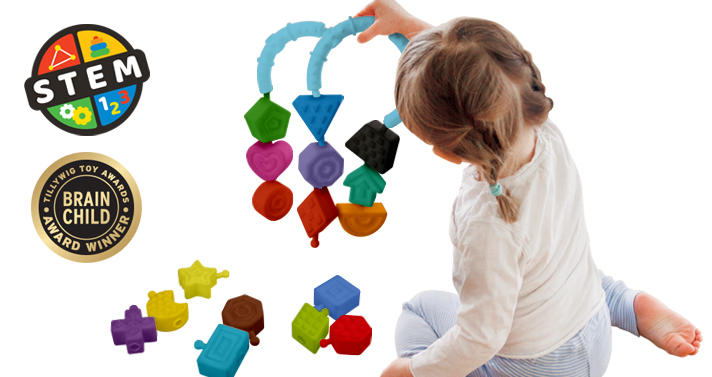
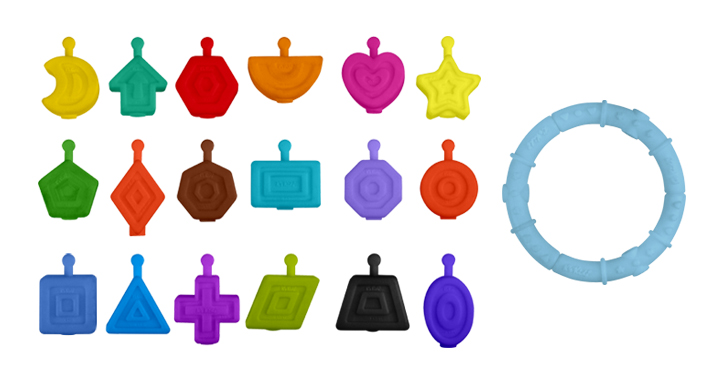


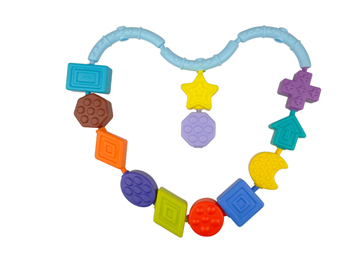
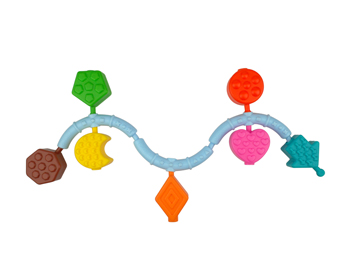
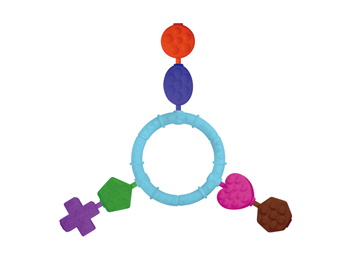
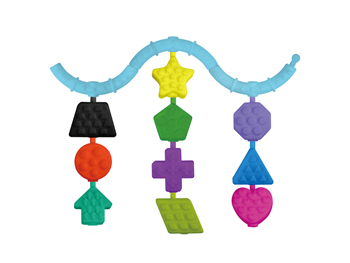
More than just simple shapes, learn more than square, circle and rectangle with 18 Shapes! These colorful shape blocks can all be linked up, so chain them up to create a colorful line of your favorite shapes! Connect them to the 3 piece ring for endless creativity!
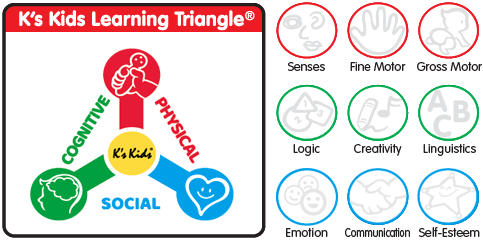









 Senses
The fundamental senses of seeing, tasting, hearing, smelling & feeling encourage a child's curiosity.
 Fine Motor Skills
Fine motor skills are those smaller actions between the thumb and fingers or using the toes to wriggle and feel the objects.
 Gross Motor Skills
Gross motor skills are larger movements involving the arm, leg, or feet muscles or the entire body.
 Logic
Logic
Logical training enables babies to make connections between pieces of information.
 Creativity
Colors, shapes, learning how to draw, getting familiar with music and rhythm, all goes to aid the growth of a child's creativity.
 Linguistics
Linguistic Intelligence is the ability to use sound and language for expression and comprehension of others while a child is developing.
 Emotion
A healthy child should be able to control and express his emotion, and interact effectively with others with mutual trust.
 Communication Skills
Good communication skills lead a child to perform cooperative tasks and become productive team members.
 Self-Esteem
Self-Esteem is an overall sense of achievement a child feels from the important people around him. Task basis activities could help children to build up a stronger self-esteem with a better judgment about their own worth.
*These are recommendations made under normal circumstances. Parents can determine which activities are most suitable depending on the progress of individual children.


Objective: Sense stimulation
Method: 18 Shapes is made from different plastic shapes. All the plastic shapes have bumpy surfaces. Encourage your child to touch and feel the different textures and bumpy designs.
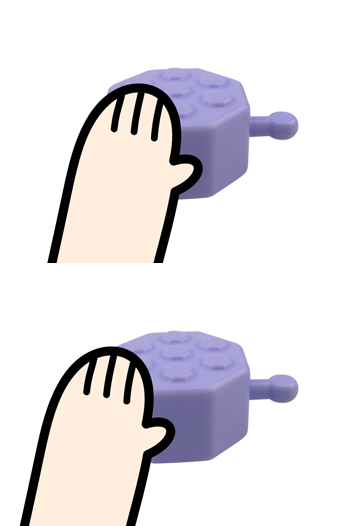




Objective: Grasping - fine motor skills training
Method: Encourage children to grasp the shapes with both their right and left hands.
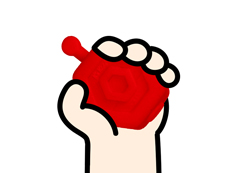



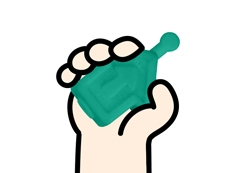

Objective: Gross motor skills training - twisting
Method: Link any of the two pieces together. Encourage children to twist them in opposite directions.
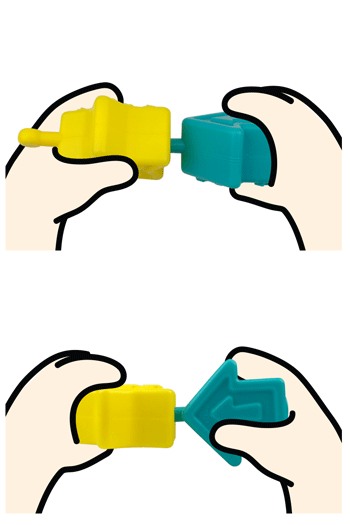


Objective: Gross motor skills training - disconnecting blocks
Method: Link any two of the pieces together. Encourage children to disconnect them by pulling them sideways in opposite directions. This trains horizontal movement in their hands and arms.
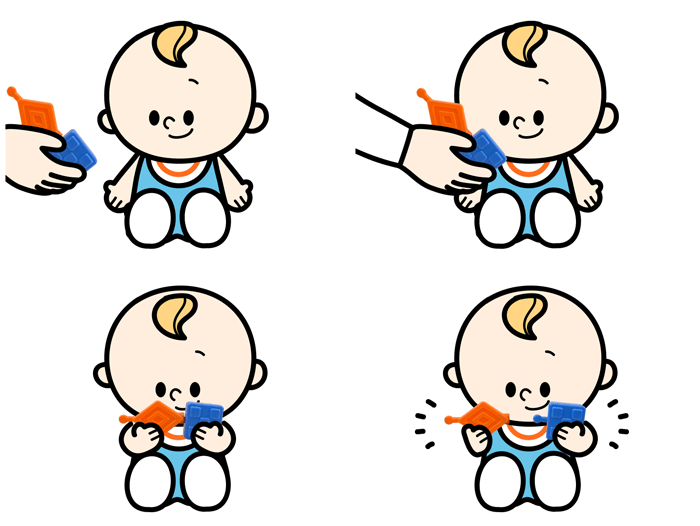


Objective: Gross motor skills training - Connecting blocks
Method: Encourage children to link two or more pieces. This trains their gross motor and hand-eye coordination.
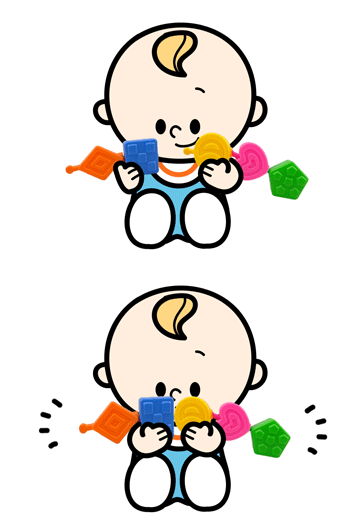
Objective: Cognitive training – learning colors
Method: Use the plastic shapes to teach children different series of colors.
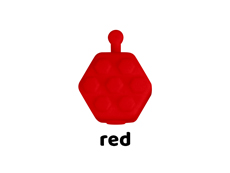
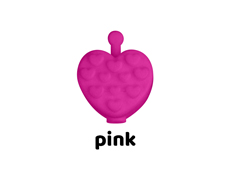
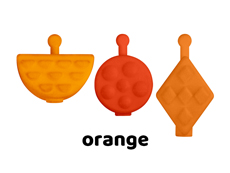
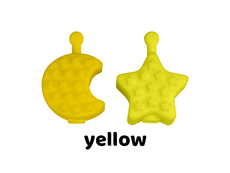
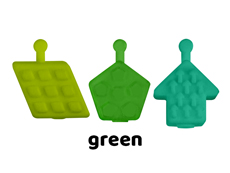


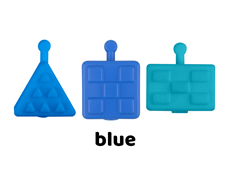


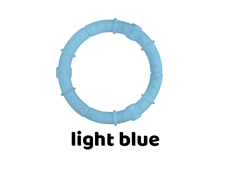


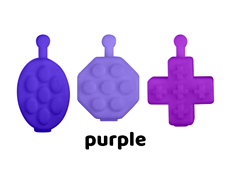


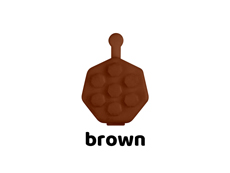


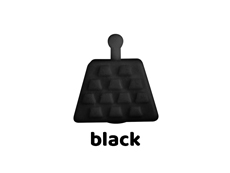


Objective: Cognitive training – pointing to colors
Method: Name a color and encourage your child to point to it.
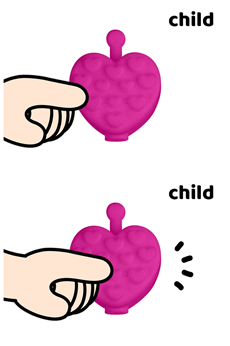
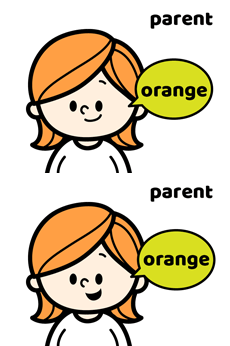
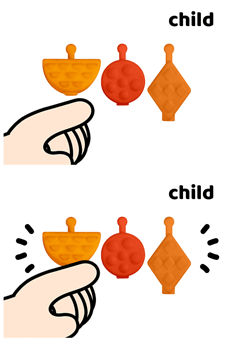
Objective: Cognitive training – learning shapes
Method: Use the plastic shapes to teach children different colors.
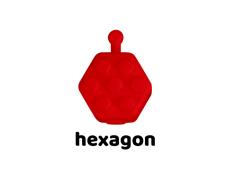
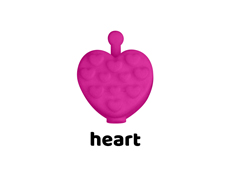
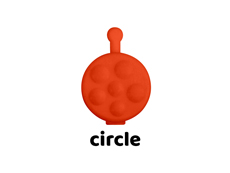
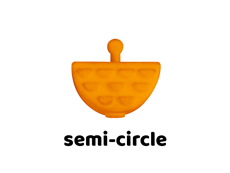
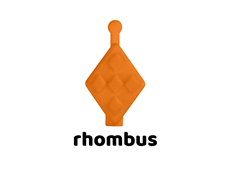
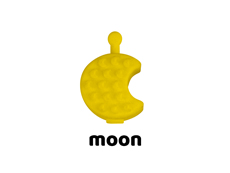
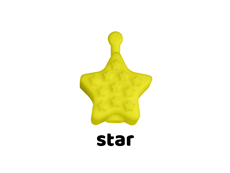
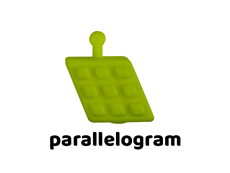
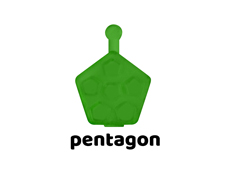
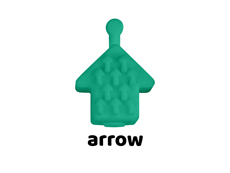
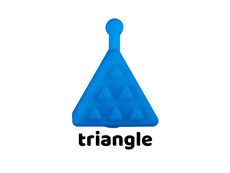
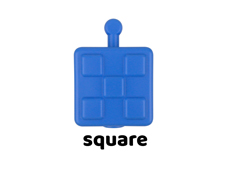
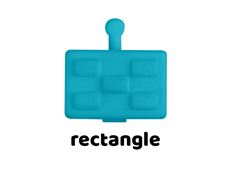
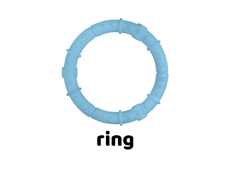
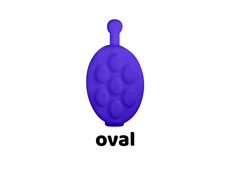
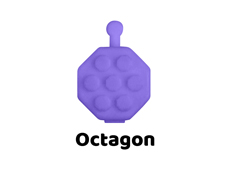
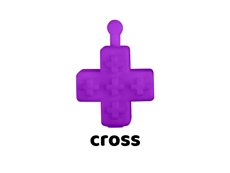
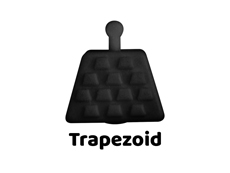

Objective: Cognitive training – pointing to shapes
Method: Name a shape and encourage your child to point to it.
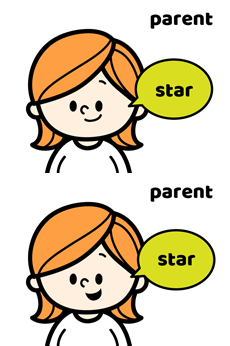
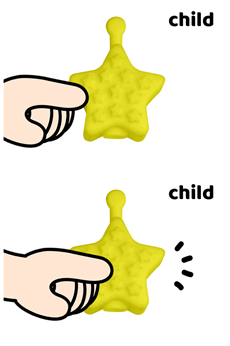
Objective: To develop creativity
Method: Using the 3 piece ring, children can create their structure and bring out their creativity.
Sharing
We sincerely hope that the guidelines provided by our K's Kids Parents' Support Center will help you make the most of your K's Kids product. We hope that every child with a K's Kids product will benefit from playing and learning from it.
We also believe that every child is unique and full of creativity.
Apart from the learning methods provided here, have you or your child discovered fun and creative ways to play with your K's Kids toys? A different combination of Chain-an-inchworm? An interesting, new way to teach language using Learn to Talk™ ? Or do you simply want to share your feelings and opinions?
To share your views, please use the form below. Attach a photo or video and provide us with a short note. Whatever it is, we earnestly hope that you will share your views with us. Your views may in turn be shared with countless other parents, so that more kids can have fun with their K's Kids toys.
Please do not close this window.