

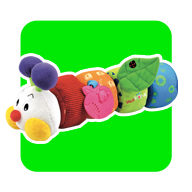
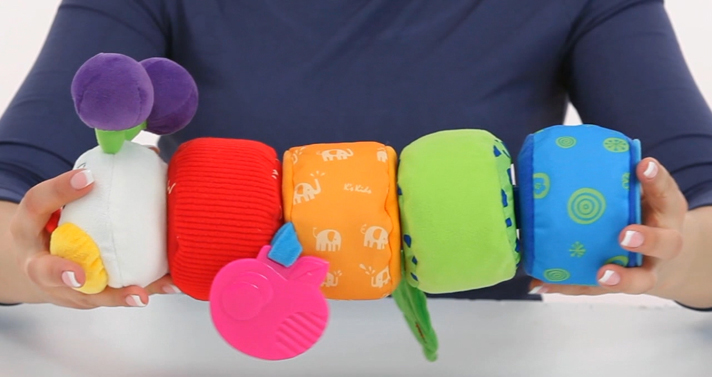
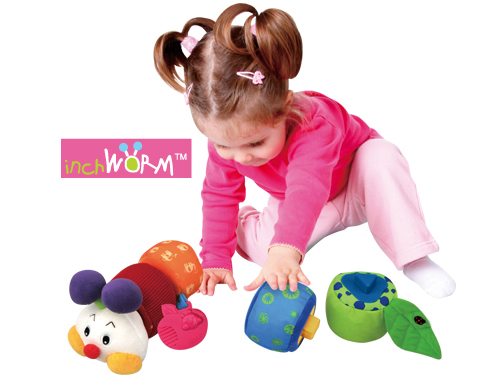
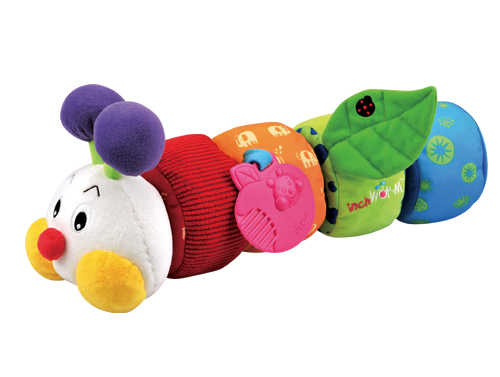
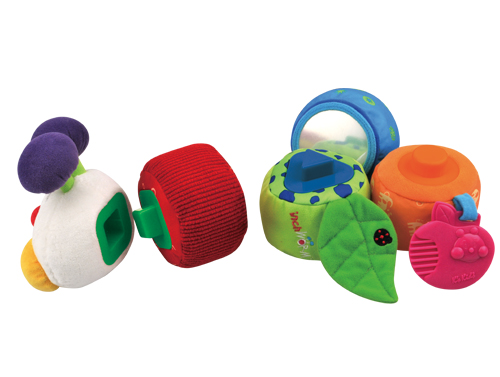
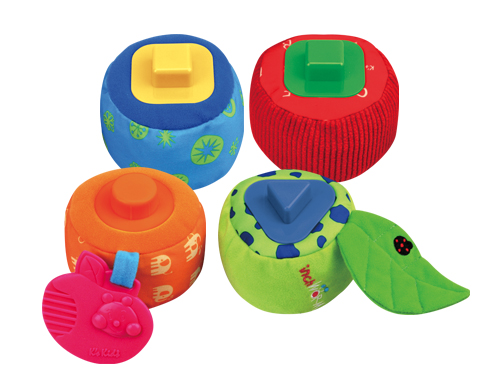


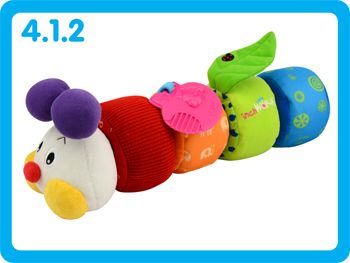
This inchworm isn't just an inchworm. It's also a shape sorter that comes with a teether, mirror, rattle, squeaker, and crinkle paper. Children can train their fine motor skills by snapping the right shapes together. The soft body parts are perfect for squeezing, throwing and rolling across the floor.
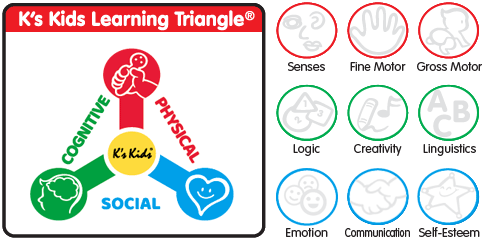







 Senses
The fundamental senses of seeing, tasting, hearing, smelling & feeling encourage a child's curiosity.
 Fine Motor Skills
Fine motor skills are those smaller actions between the thumb and fingers or using the toes to wriggle and feel the objects.
 Gross Motor Skills
Gross motor skills are larger movements involving the arm, leg, or feet muscles or the entire body.
 Logic
Logic
Logical training enables babies to make connections between pieces of information.
 Creativity
Colors, shapes, learning how to draw, getting familiar with music and rhythm, all goes to aid the growth of a child's creativity.
 Linguistics
Linguistic Intelligence is the ability to use sound and language for expression and comprehension of others while a child is developing.
 Emotion
A healthy child should be able to control and express his emotion, and interact effectively with others with mutual trust.
 Communication Skills
Good communication skills lead a child to perform cooperative tasks and become productive team members.
 Self-Esteem
Self-Esteem is an overall sense of achievement a child feels from the important people around him. Task basis activities could help children to build up a stronger self-esteem with a better judgment about their own worth.
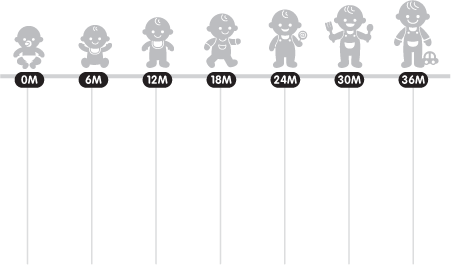
*These are recommendations made under normal circumstances. Parents can determine which activities are most suitable depending on the progress of individual children.
Other Recommended Toys










Objective: To train children's listening skills and attention
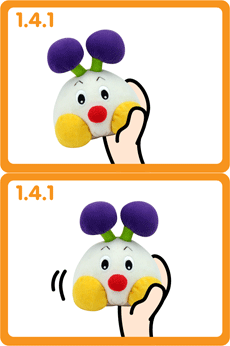
Method: Parents should squeeze the inchworm's body, making crinkling sounds, to the right and left side of the child's head. Parents should see if the child moves her head or gaze to follow the crinkling sounds.
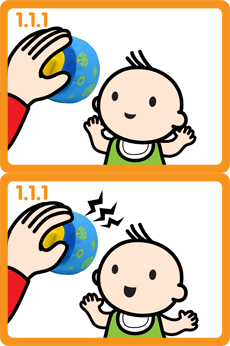






Objective: To stimulate senses
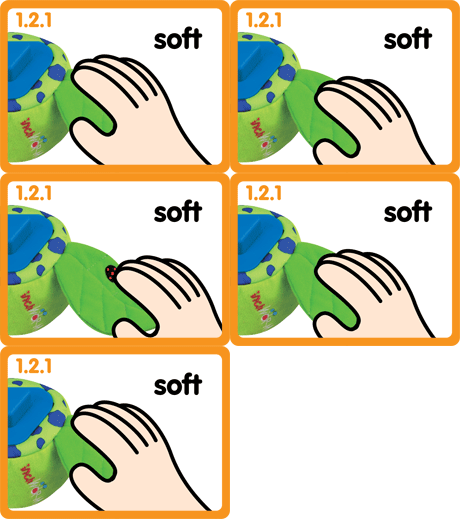
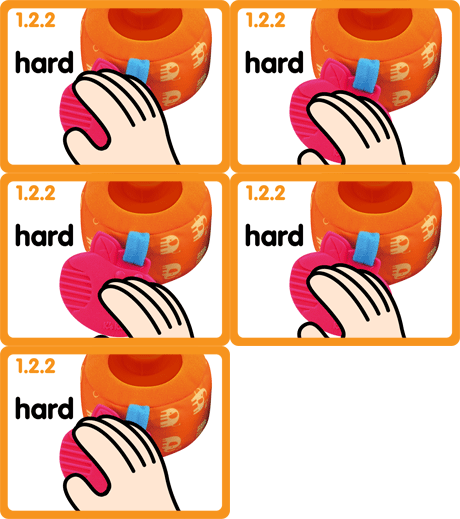
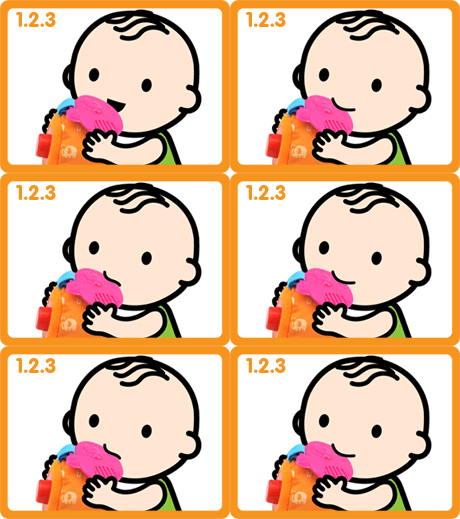
Method: Parents can encourage children to touch and feel the different textures of the inchworm and to chew on the apple teether.


Objective: To train fine motor muscles in children's hands
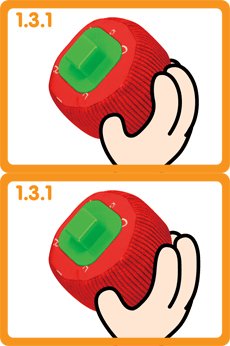
Method: Parents can encourage children to squeeze the inchworm (with both their right and left hands) to make crinkling sounds.

Objective: To train gross motor skills
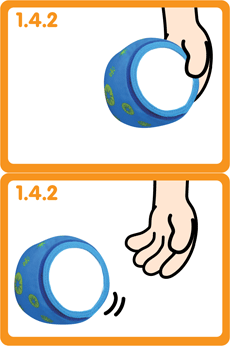
Method: Parents can encourage children to shake the inchworm's head (with both their right and left hands) to make rattling sounds. Children can also practice rolling the inchworm's body pieces across the floor like a wheel.


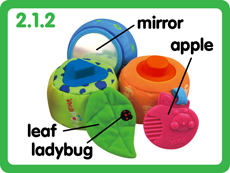
Objective: To recognize different body parts and objects
Method: Parents can use the inchworm as a teaching aid to teach children to recognize things such as the head, eyes, nose, apple, leaf, mirror and ladybug etc.
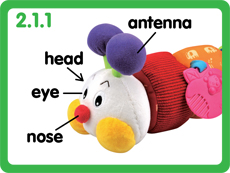
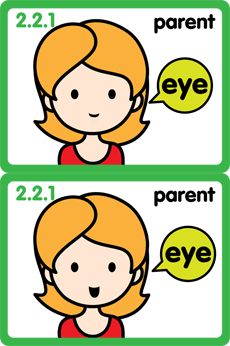
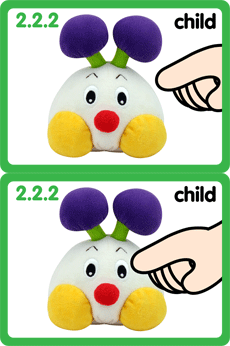
Objective: To teach children to point out specific facial features
Method: As parents say out loud specific facial features, such as “head”, “eyes”, “nose”, and “mouth”, they can encourage children to point to the corresponding facial feature on the inchworm's head.
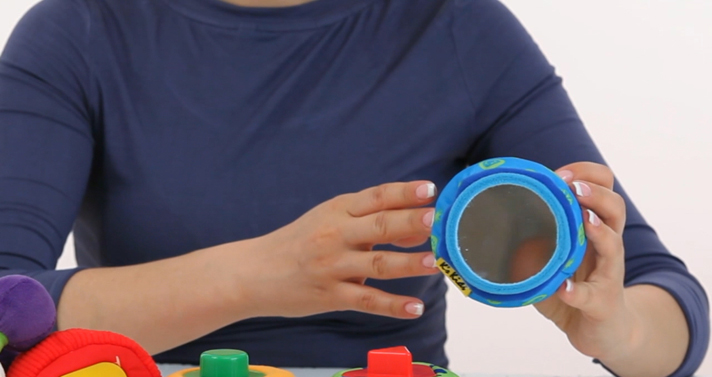
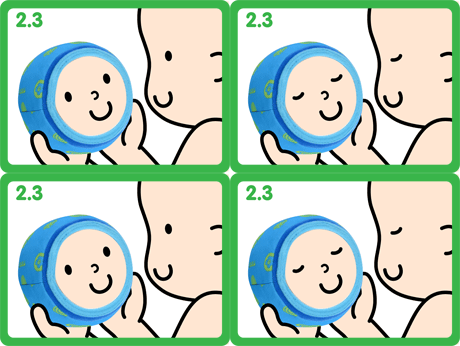
Objective: To develop self awareness
Method: Parents can hold the mirror (on the blue inchworm piece) up to their child's face so she can observe and recognize her own image in the mirror.
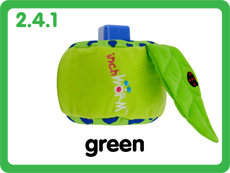
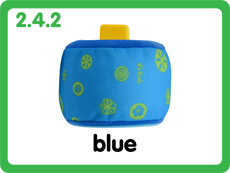
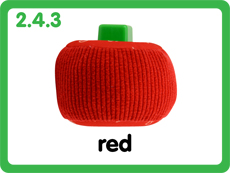
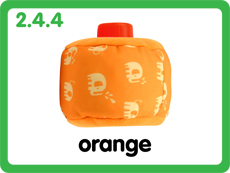
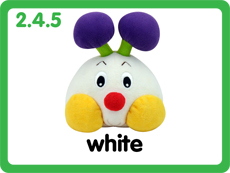
Objective: To recognize and identify colors
Method: Parents can use the inchworm to teach children to recognize colors such as red, yellow, blue, green etc.


Objective: To recognize and identify shapes
Method: Parents can use the plastic connecting parts of the inchworm to teach children to recognize shapes such as circles, triangles and squares etc.
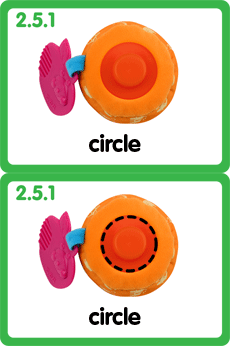
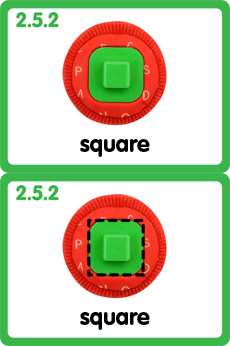
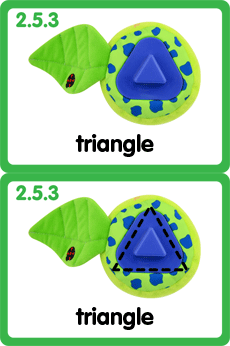

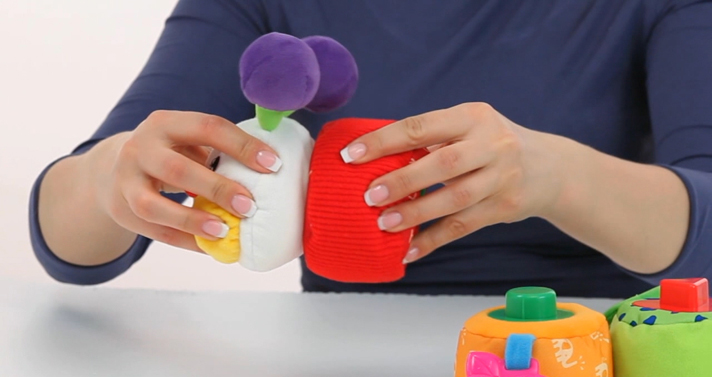
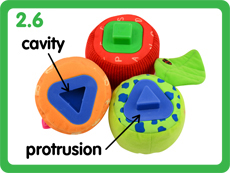
Objective: To differentiate between a protrusion and a cavity
Method: Parents can use the linking sections of the inchworm pieces to teach children to differentiate between a protrusion and a cavity.


Objective: To point out specific body parts and objects
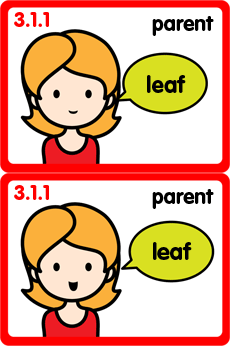
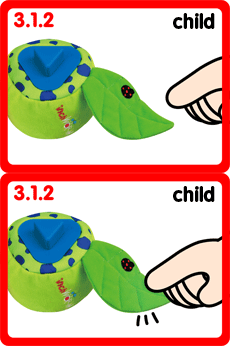
Method: Parents can name a body part or object, then encourage the child to point to it on the toy. Some words that can be taught are: apple, leaf, mirror and ladybug etc.
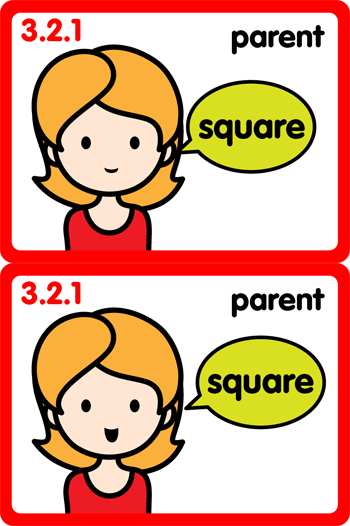
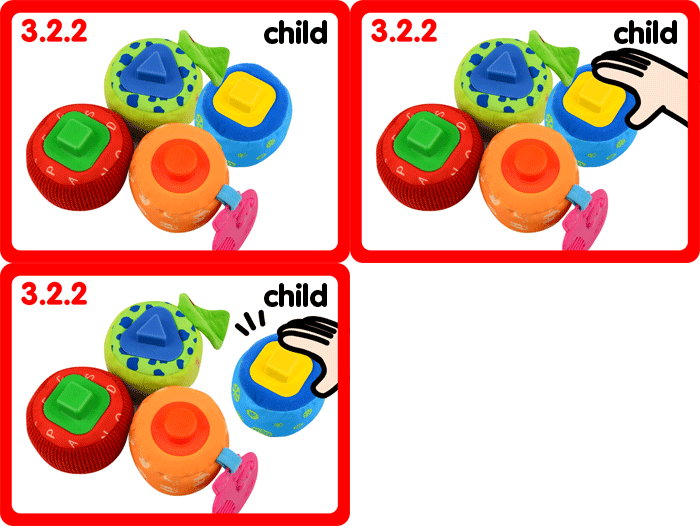
Objective: To identify colors and shapes
Method: Parents should disassemble the inchworm and place the pieces on the floor in front of them. They should then name a color or shape and ask the child to hand them the correct piece.

Objective: To practice fitting two pieces together, according to their shape
Method: Parents should let the child practice fitting the two square pieces together. Then repeat with the two circle parts and two triangle parts.
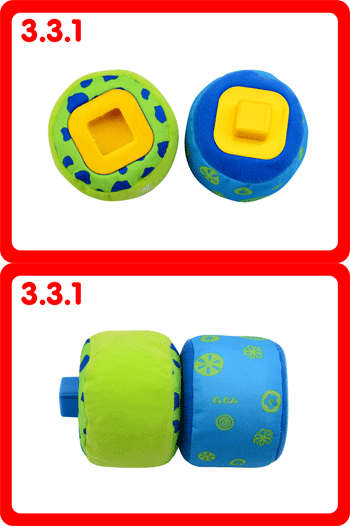
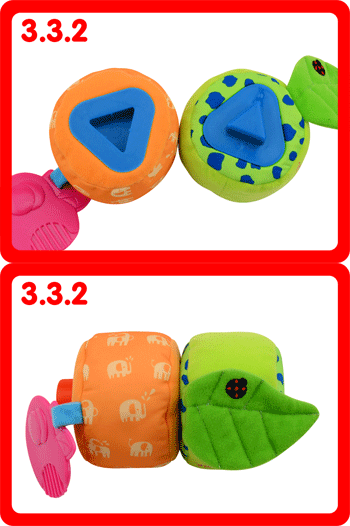
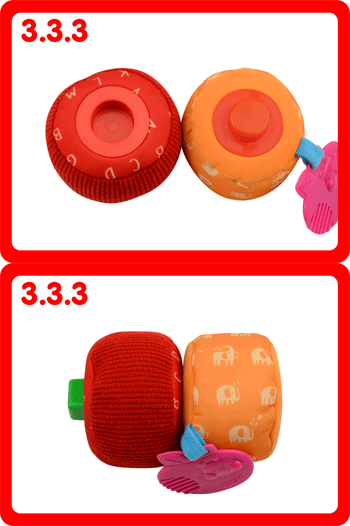
Objective: To assemble the inchworm
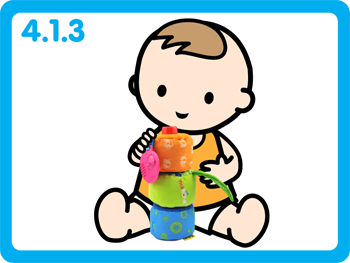
Method: Using concepts learn from activity 2.5 and 2.6, children should assemble and stack the inchworm by matching shapes.
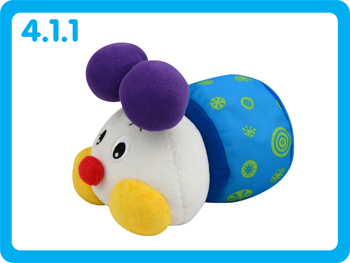
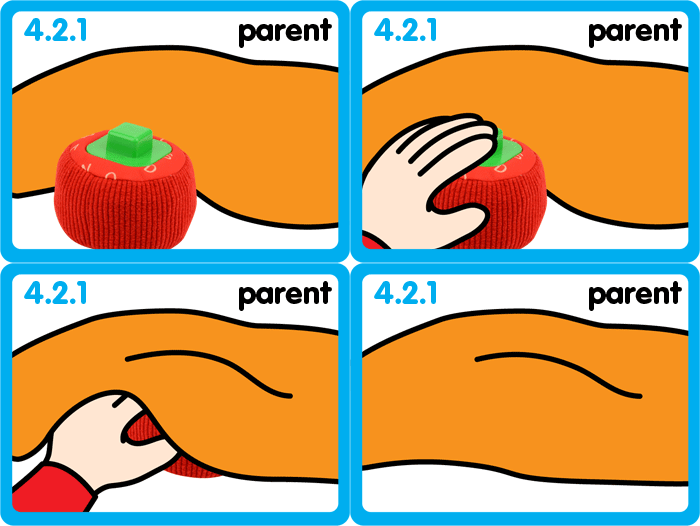
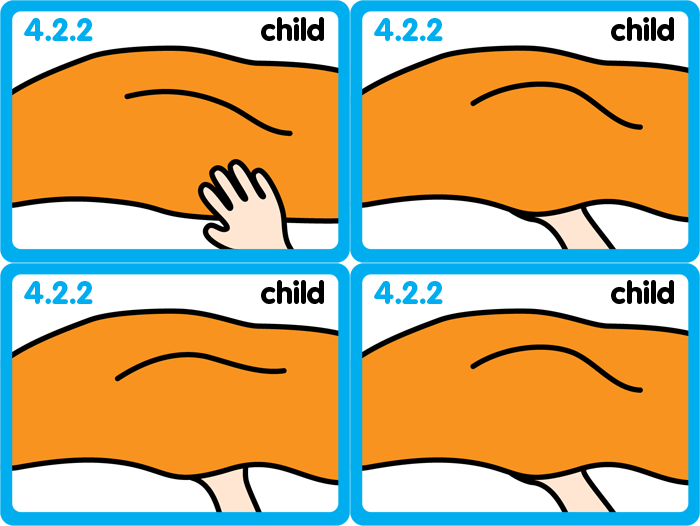
Objective: To identify shapes by touch
Method: Parents can place one inchworm piece under a small blanket. Allow the child to reach under the blanket to touch the piece, then guess what shape it is.

Sharing
We sincerely hope that the guidelines provided by our K's Kids Parents' Support Center will help you make the most of your K's Kids product. We hope that every child with a K's Kids product will benefit from playing and learning from it.
We also believe that every child is unique and full of creativity.
Apart from the learning methods provided here, have you or your child discovered fun and creative ways to play with your K's Kids toys? A different combination of Chain-an-inchworm? An interesting, new way to teach language using Learn to Talk™ ? Or do you simply want to share your feelings and opinions?
To share your views, please use the form below. Attach a photo or video and provide us with a short note. Whatever it is, we earnestly hope that you will share your views with us. Your views may in turn be shared with countless other parents, so that more kids can have fun with their K's Kids toys.
Please do not close this window.