

 Cubic CrocoBloco™
- Description
- Stage 1(6 - 18M)
- Stage 2(9 - 24M)
- Stage 3(18 - 30M)
- Stage 4(24 - 36M)
- Stage 5(30 - 36M+)
- Sharing

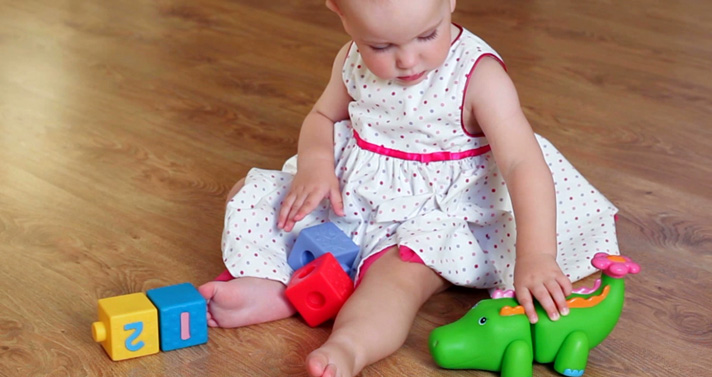
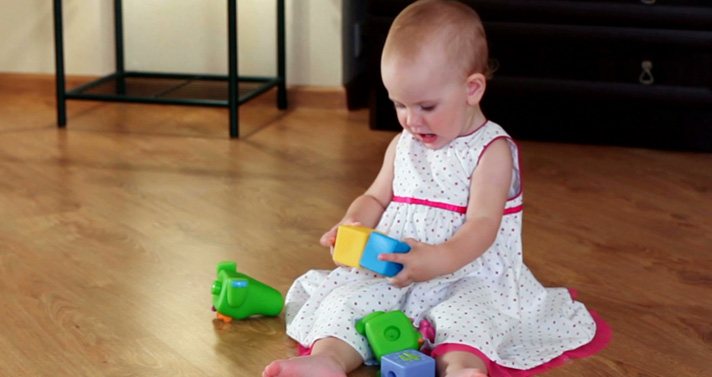
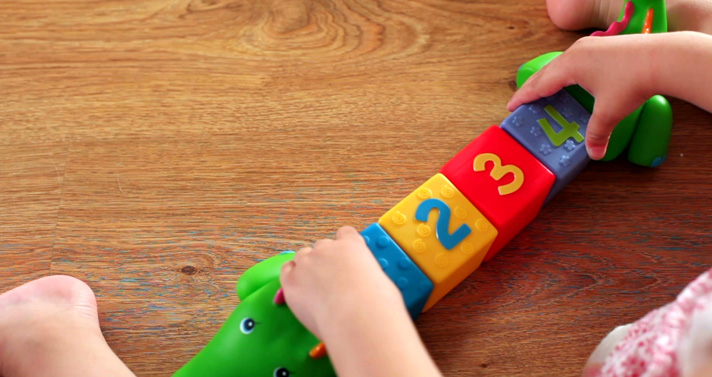
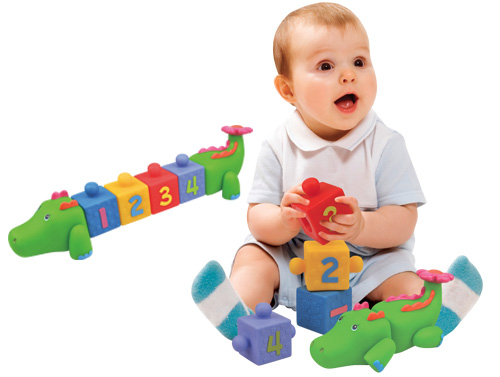
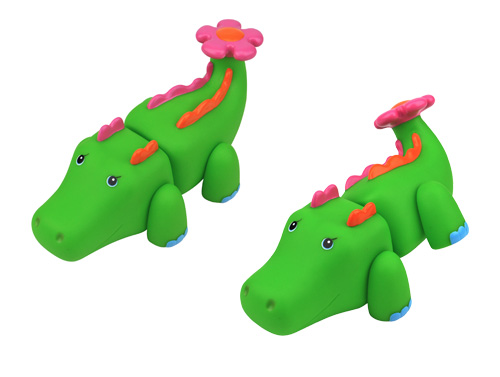
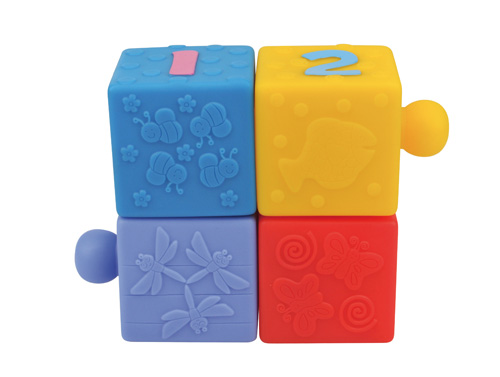
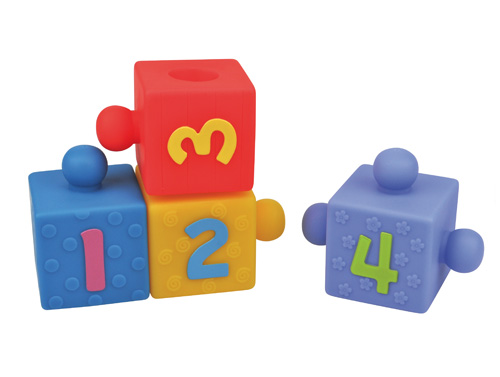
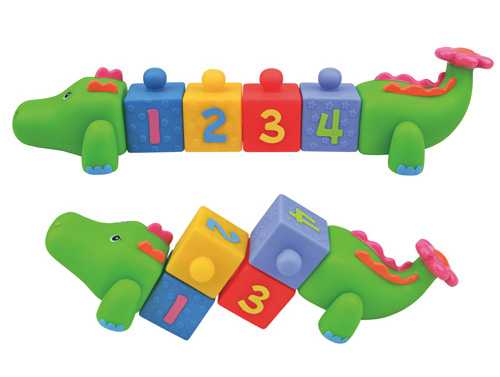
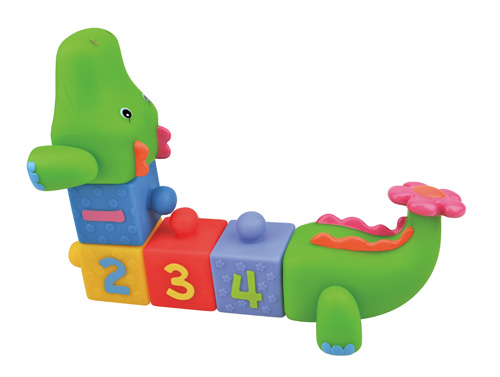



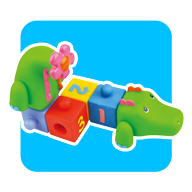
Cubic CrocoBloco has a body of detachable plastic cubes. 1, 2, 3, 4...kids can learn counting and calculation with these 4 little cubes. It exercises muscle, trains logics, teaches concepts of colors, numbers and daily objects. Make it short, make it long, kids can form different lengths of crocodile with their imagination! It's fun & learning time with Cubic CrocoBloco.







 Senses
The fundamental senses of seeing, tasting, hearing, smelling & feeling encourage a child's curiosity.
 Fine Motor Skills
Fine motor skills are those smaller actions between the thumb and fingers or using the toes to wriggle and feel the objects.
 Gross Motor Skills
Gross motor skills are larger movements involving the arm, leg, or feet muscles or the entire body.
 Logic
Logic
Logical training enables babies to make connections between pieces of information.
 Creativity
Colors, shapes, learning how to draw, getting familiar with music and rhythm, all goes to aid the growth of a child's creativity.
 Linguistics
Linguistic Intelligence is the ability to use sound and language for expression and comprehension of others while a child is developing.
 Emotion
A healthy child should be able to control and express his emotion, and interact effectively with others with mutual trust.
 Communication Skills
Good communication skills lead a child to perform cooperative tasks and become productive team members.
 Self-Esteem
Self-Esteem is an overall sense of achievement a child feels from the important people around him. Task basis activities could help children to build up a stronger self-esteem with a better judgment about their own worth.
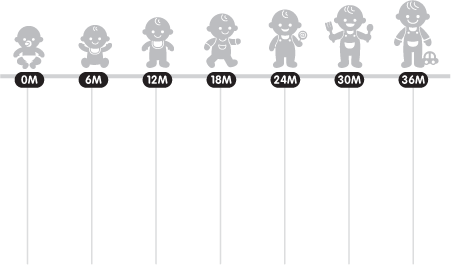
*These are recommendations made under normal circumstances. Parents can determine which activities are most suitable depending on the progress of individual children.
Other Recommended Toys









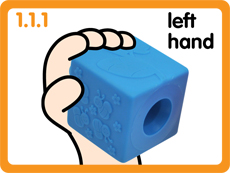
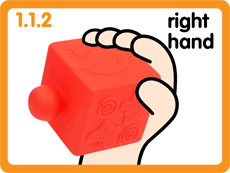
Objective: To train the fine motor muscles in children's hands to grasp
Method: Parents should help and encourage children to grasp the blocks with both their right and left hands.





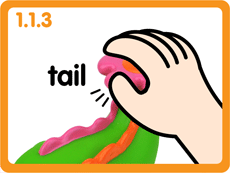


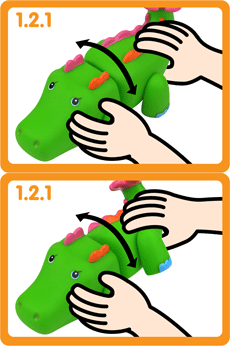
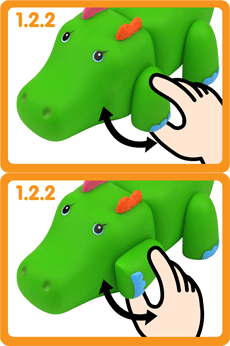
Objective: To train the fine motor muscles in children's hands and wrists to twist things
Method: Parents can teach children to twist Crocobloco's body, front legs and hind legs.

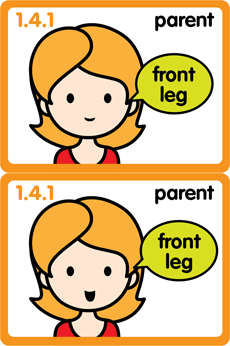
Objective: To recognize animal body parts
Method: Parents can use the crocodile as a teaching aid to teach children to recognize animal body parts such as the head, eyes, nose, front legs, hind legs and tail etc.
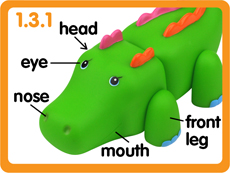
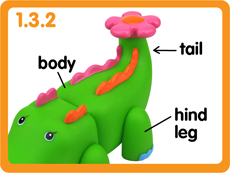

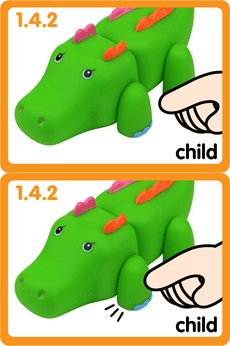
Objective: To point out specific animal body parts
Method: Children should point to the body part (of Crocobloco) that the parent says out loud. Some body parts that can be taught: head, eyes, nose, front legs, hind legs and tail.


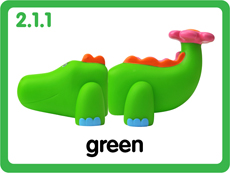
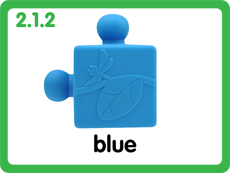
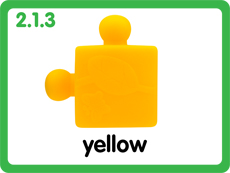
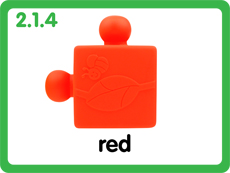
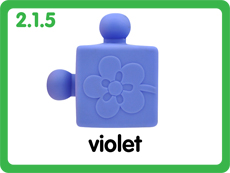
Objective: To recognize and identify colors
Method: Parents can use Crocobloco's body and colored blocks to teach children to recognize colors such as red, yellow, blue, green etc.


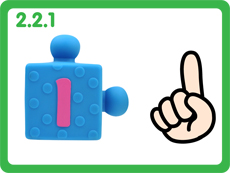
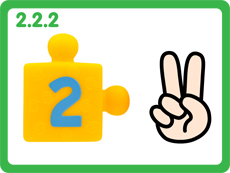
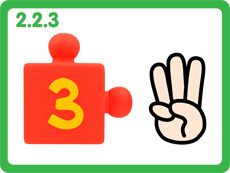
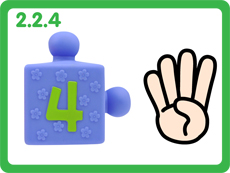
Objective: To recognize numbers
Method: Parents can use the numbered blocks to teach children to recognize the numbers 1,2,3 and 4.
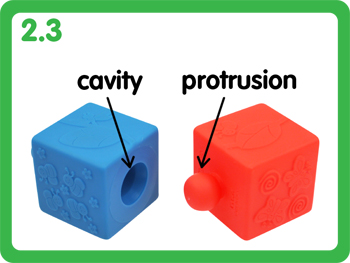
Objective: To differentiate between a protrusion and a cavity
Method: Parents can use the linking sections of the blocks to teach children to differentiate between a protrusion and a cavity.

Objective: To learn about some common insects and animals
Method: Parents can use the graphics on the blocks as aid to teach children about dragonflies, butterflies, bees and fish.
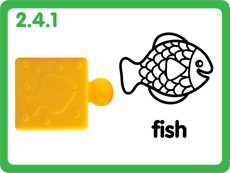
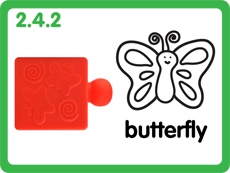
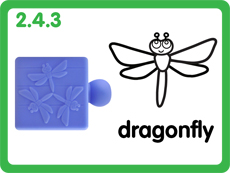
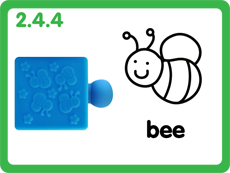

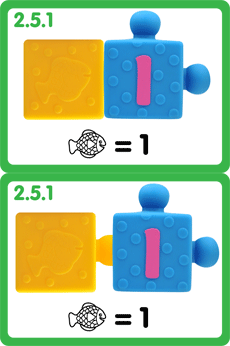
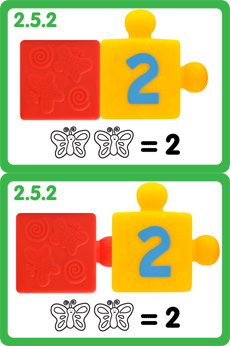
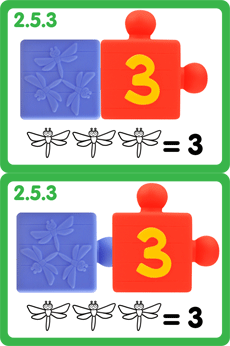
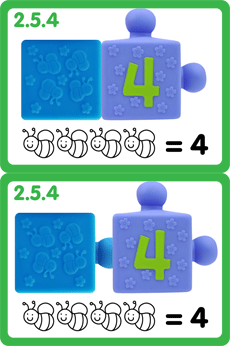
Objective: To learn to count
Method: Parents can use the graphics on the blocks to teach children to count. (ie. 1 fish, 2 butterflies, 3 dragonflies, 4 bees).
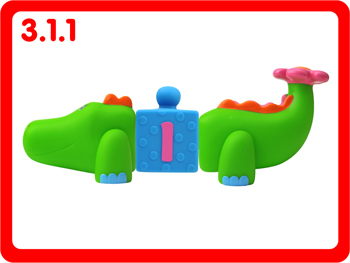
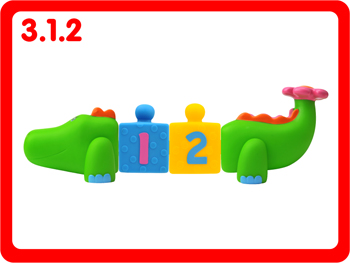
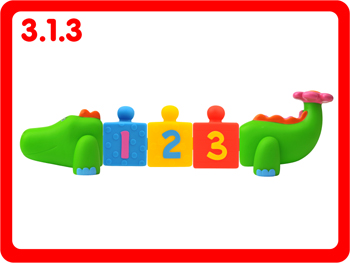
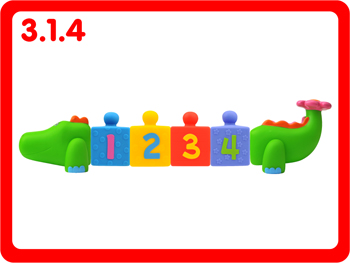
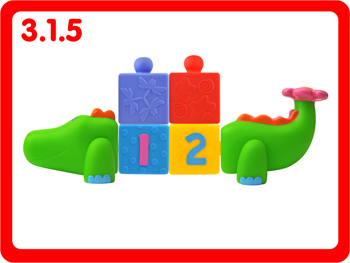
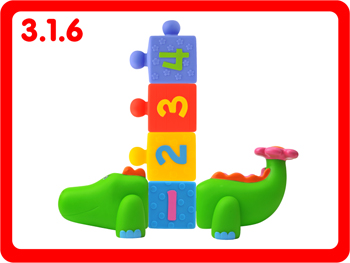
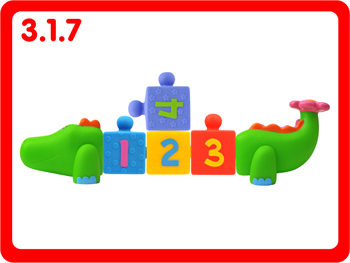
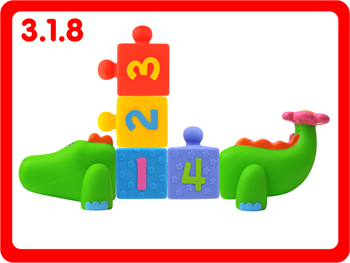
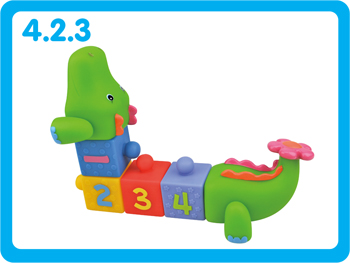
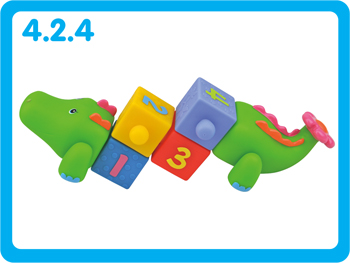
Objective: To assemble crocodiles of different lengths and shapes
Method: Children can recreate the crocodiles shown in the following diagrams, starting from the simple combinations and progressing to the complex ones.








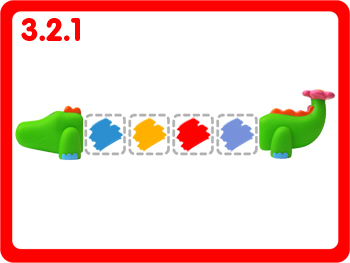
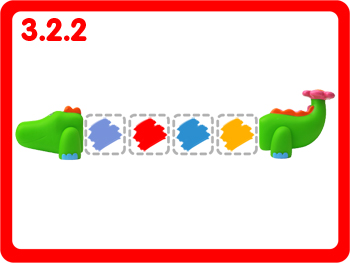
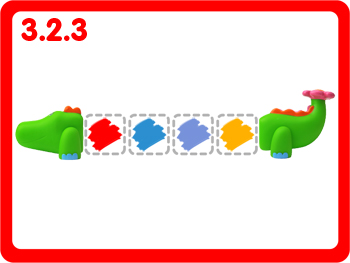
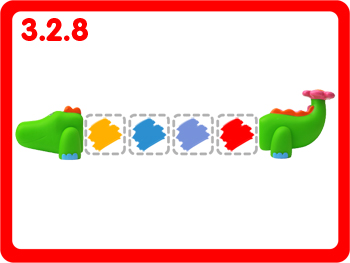
Objective: To arrange the blocks in a specific order based on color
Method: Children can recreate the crocodiles shown in the diagrams below, with parents making sure the colored blocks are in the right order.
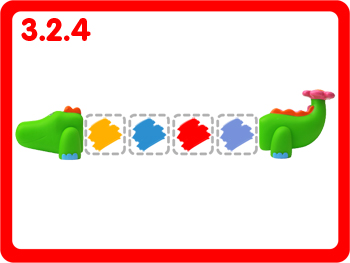
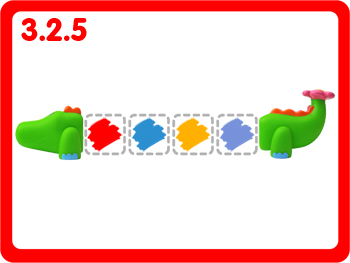
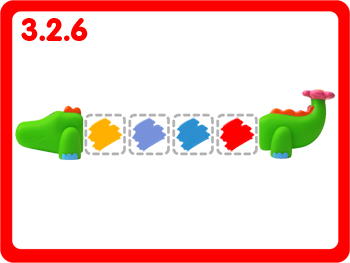
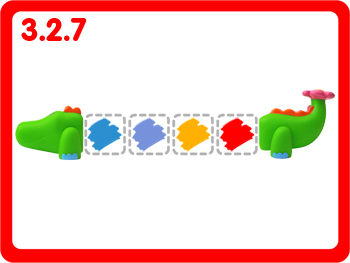
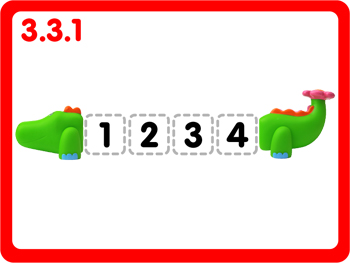
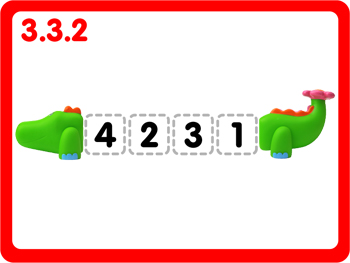
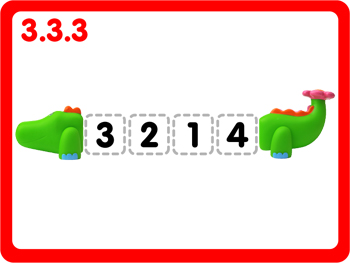
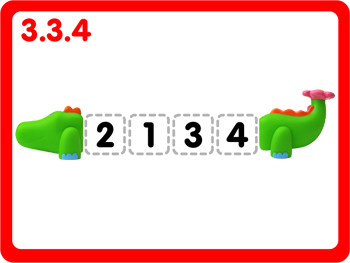
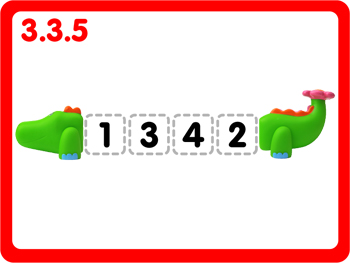
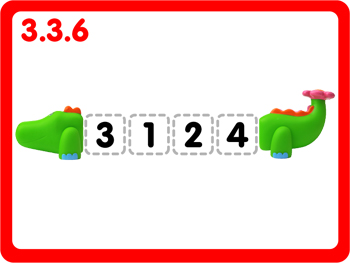
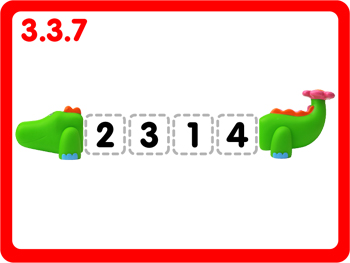
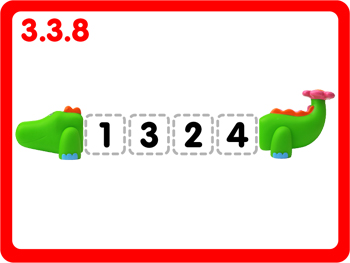
Objective: To arrange the blocks in a specific order based on numbers
Method: Children can recreate the crocodiles shown in the diagrams below, with parents making sure the numbered blocks are in the right order.
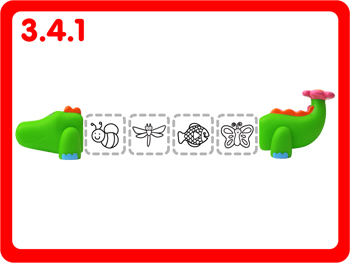
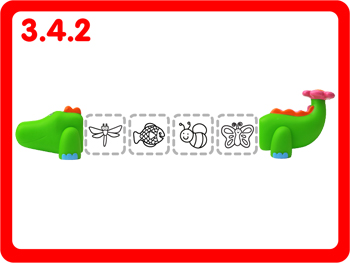
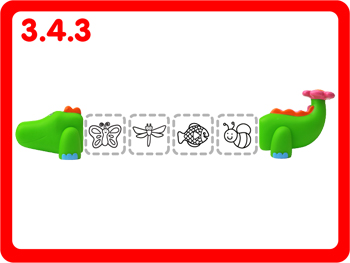
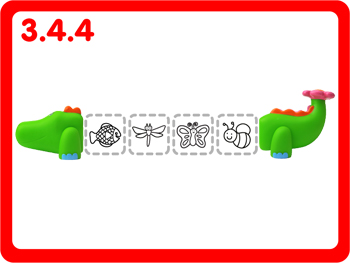
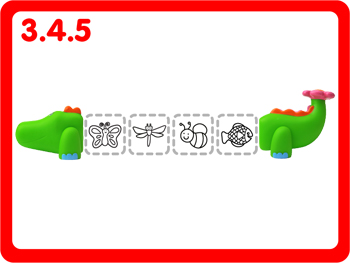
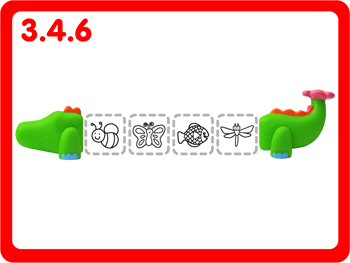
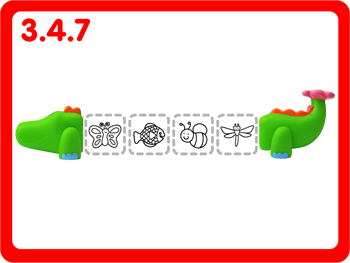
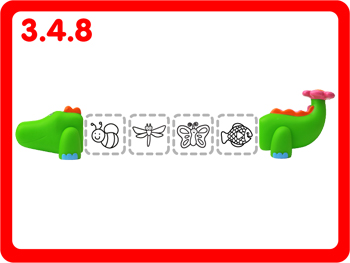
Objective: To arrange the blocks in a specific order based on their graphics
Method: Children can recreate the crocodiles shown in the diagrams below, with parents making sure the graphics are in the right order.
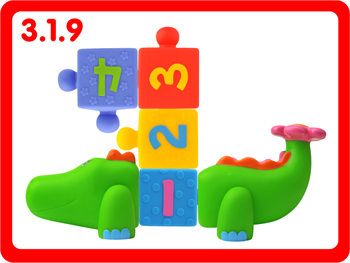
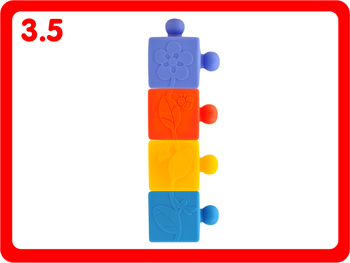
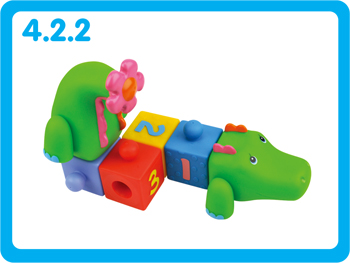
Objective: To stack the blocks as shown
Method: Children can recreate the flower image by stacking the blocks as shown in the photo below.
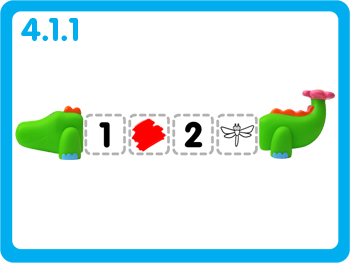
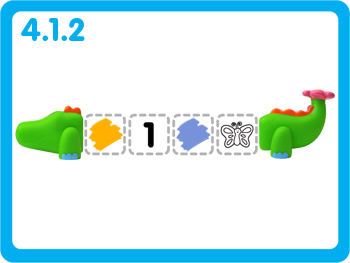
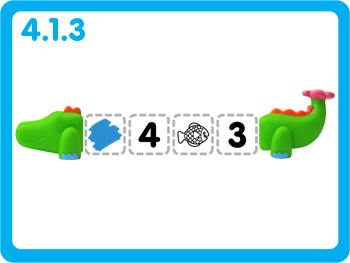
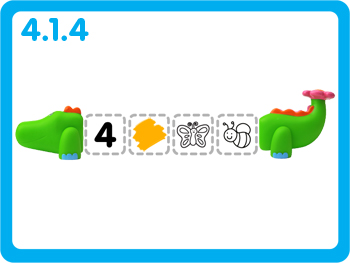
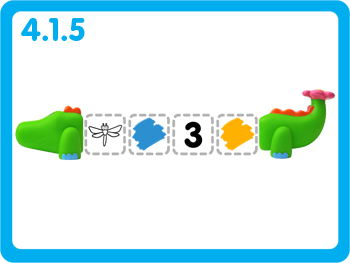
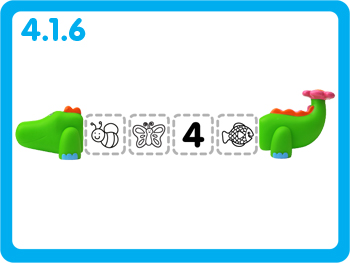
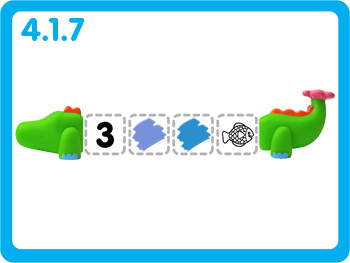
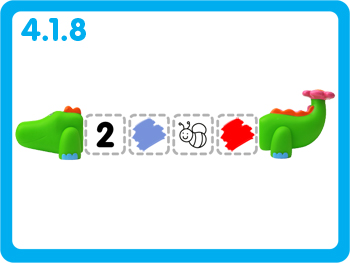
Objective: To arrange the blocks in a specific order, based on colors, number and graphics
Method: Children can recreate the crocodiles shown in the diagrams below, with parents making sure the colors, numbers and graphics are in the right order.
Objective: To create 3 dimensional configurations
Method: Children can build their own configurations using the blocks. These blocks can be used without the two crocodile body parts. Each block has two holes. Bigger and more complex configurations can be made with more than one set of blocks.
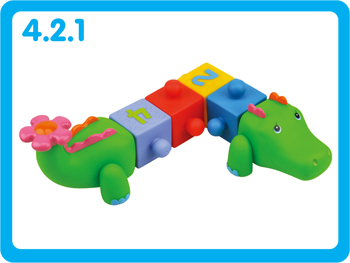
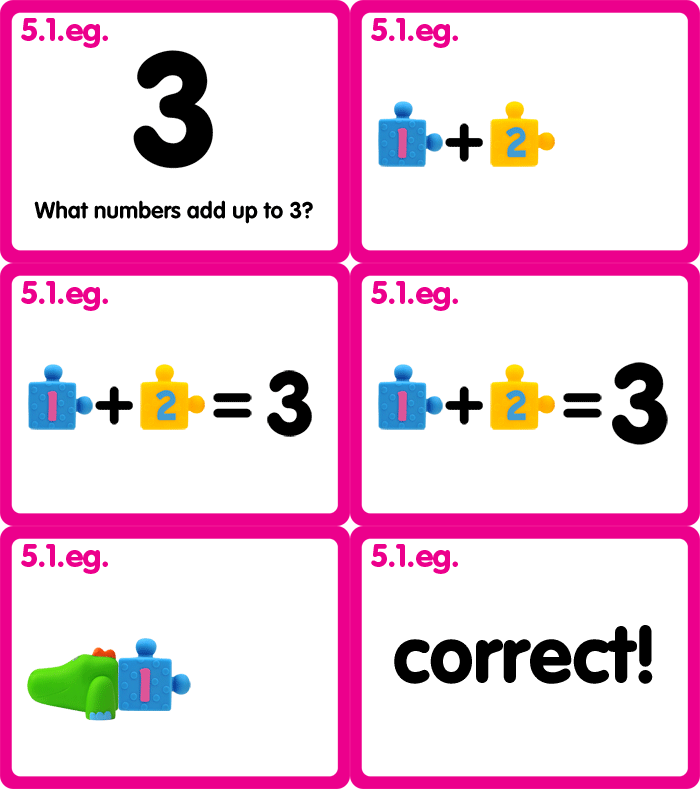
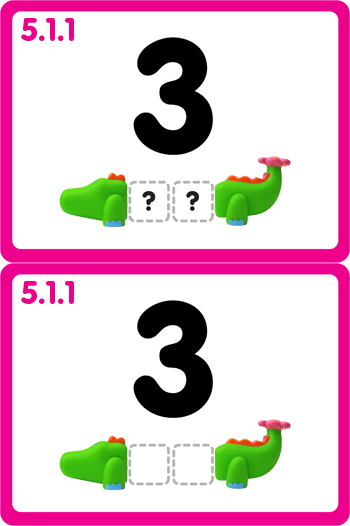
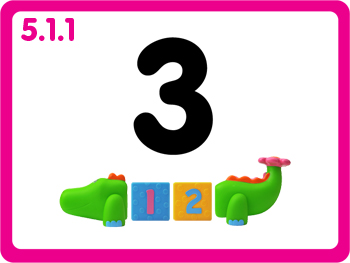
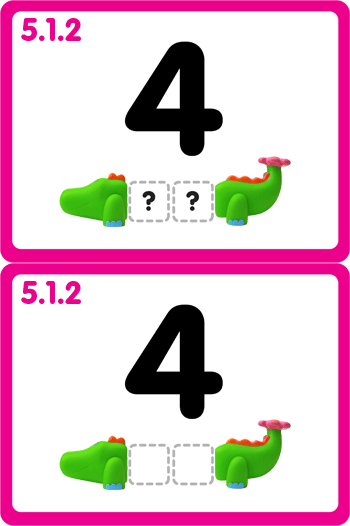
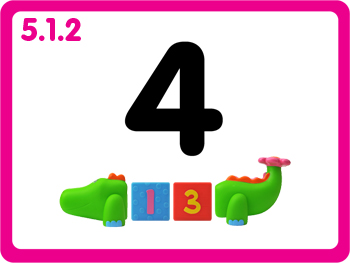
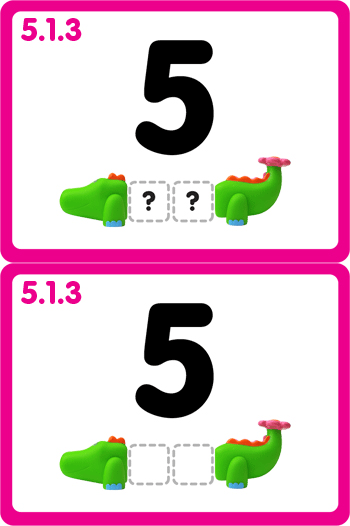
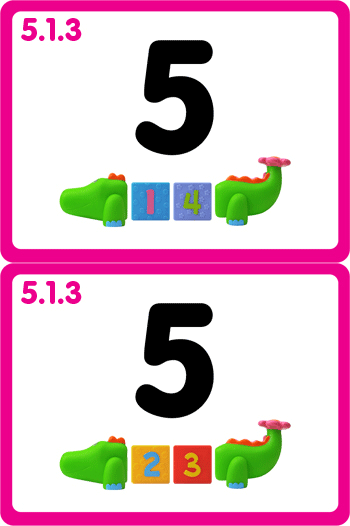
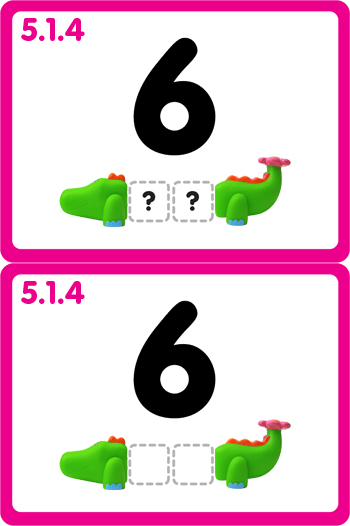
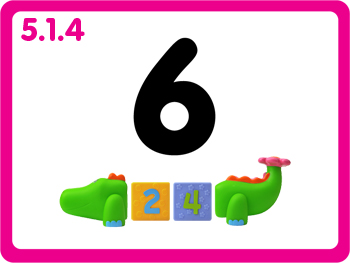
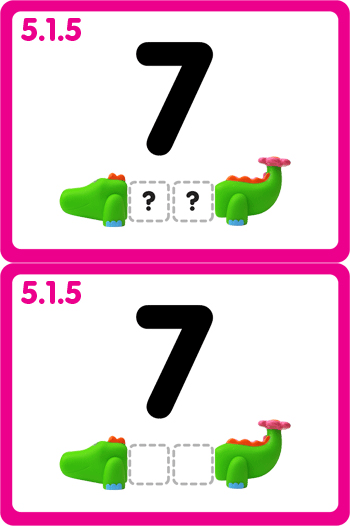
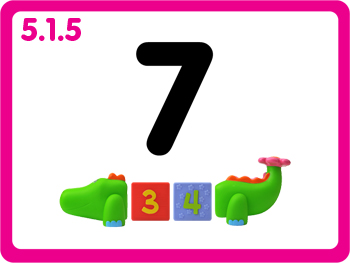
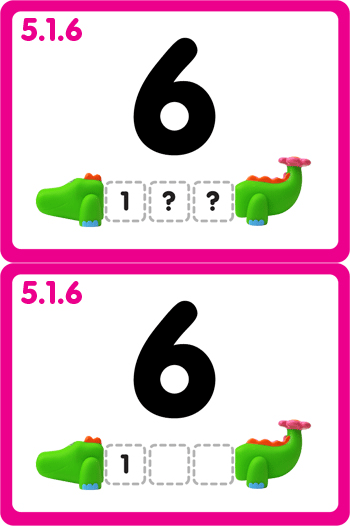
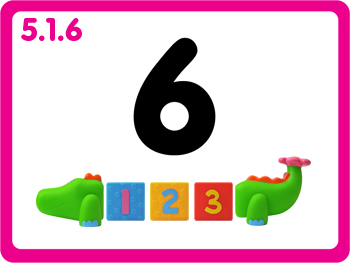
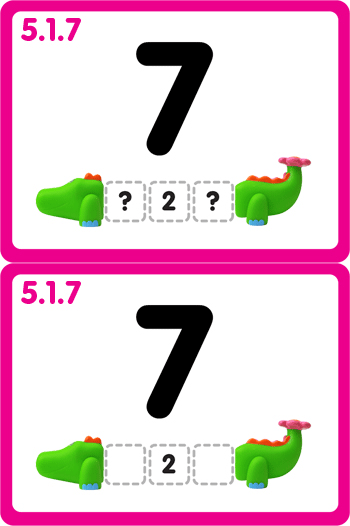
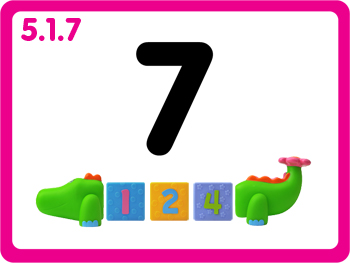
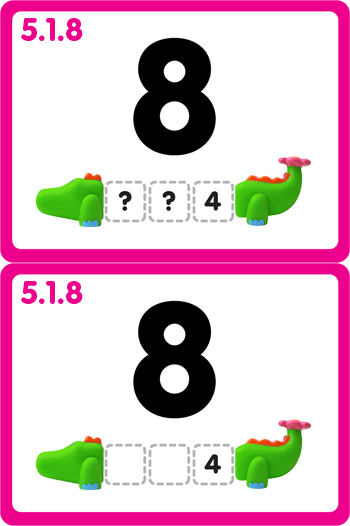
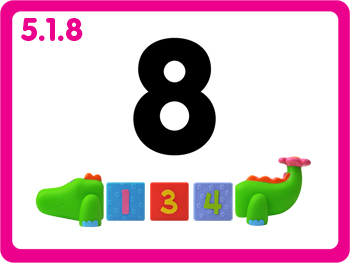
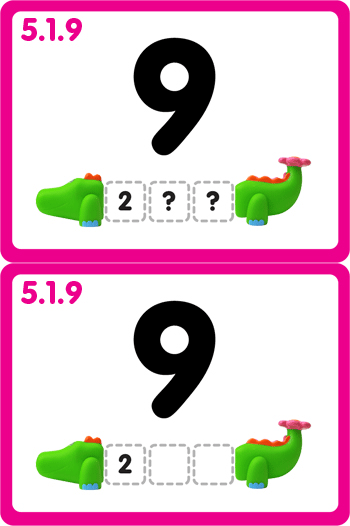
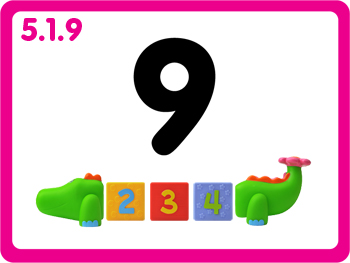
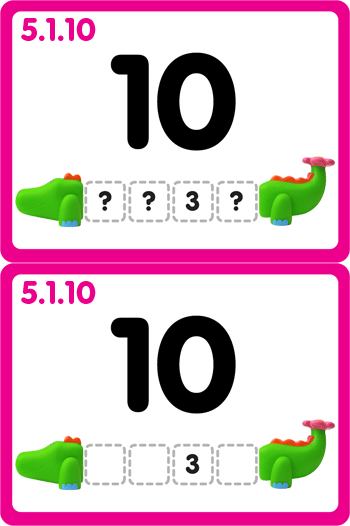
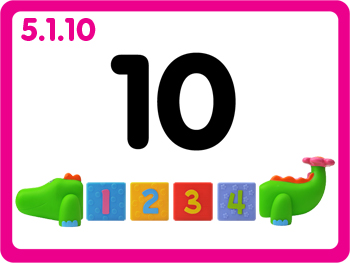
Objective: To learn simple addition
Method: Children have to try to build a crocodile with the numbers on the blocks all adding up to a specific sum. There may be more than one solution. (Eg. If the sum is 7, the solution may be 3, 3, 1 or 3, 4). The sums to be built are listed below:






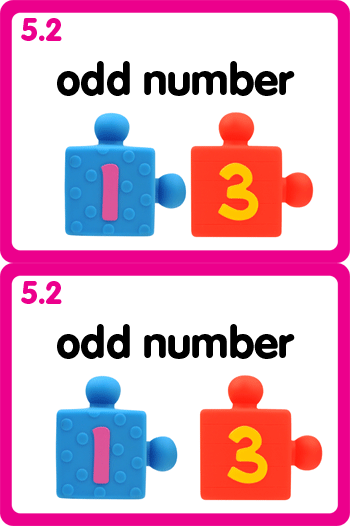
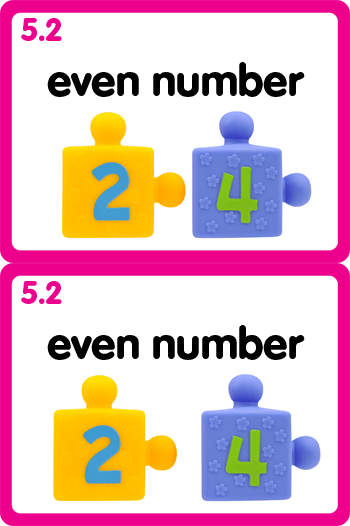
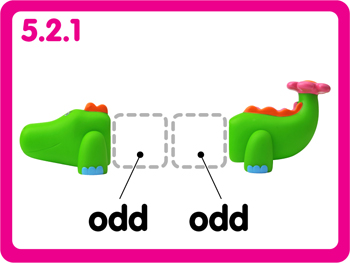
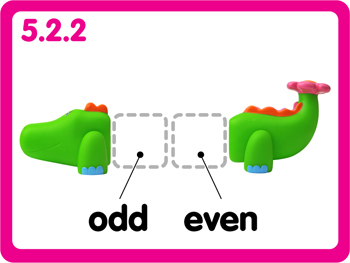
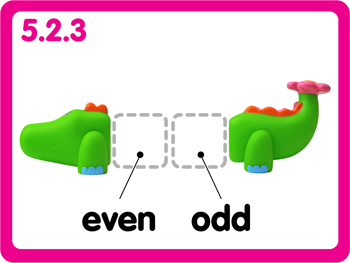
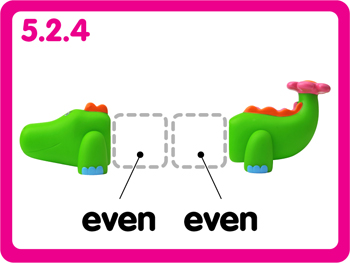
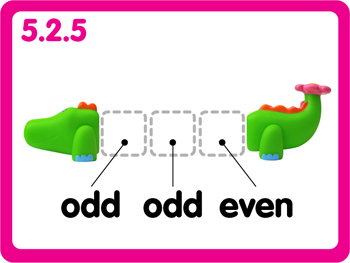
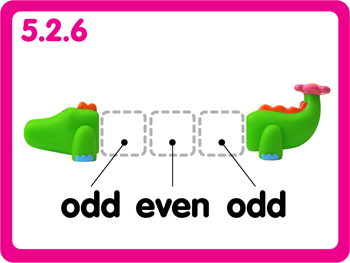
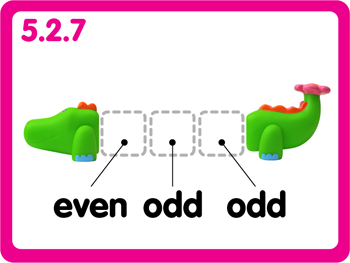
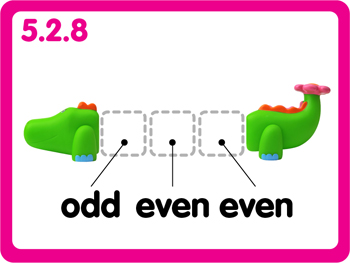
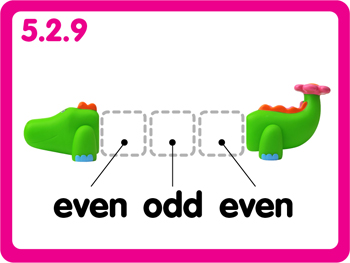
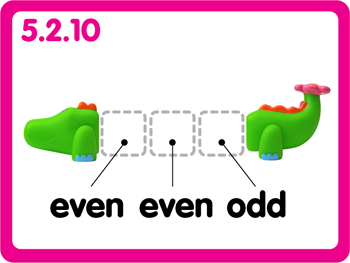
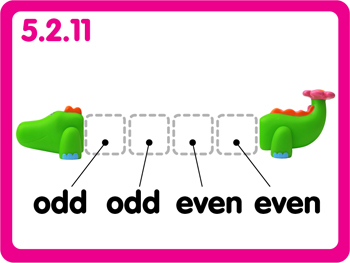
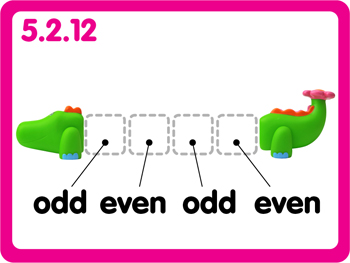
Objective: To learn even and odd numbers
Method: Children have to try to build crocodiles based on the following odd/even sequences. (1 and 3 are odd numbers. 2 and 4 are even numbers)
Sharing
We sincerely hope that the guidelines provided by our K's Kids Parents' Support Center will help you make the most of your K's Kids product. We hope that every child with a K's Kids product will benefit from playing and learning from it.
We also believe that every child is unique and full of creativity.
Apart from the learning methods provided here, have you or your child discovered fun and creative ways to play with your K's Kids toys? A different combination of Chain-an-inchworm? An interesting, new way to teach language using Learn to Talk™ ? Or do you simply want to share your feelings and opinions?
To share your views, please use the form below. Attach a photo or video and provide us with a short note. Whatever it is, we earnestly hope that you will share your views with us. Your views may in turn be shared with countless other parents, so that more kids can have fun with their K's Kids toys.
Please do not close this window.