

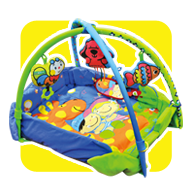

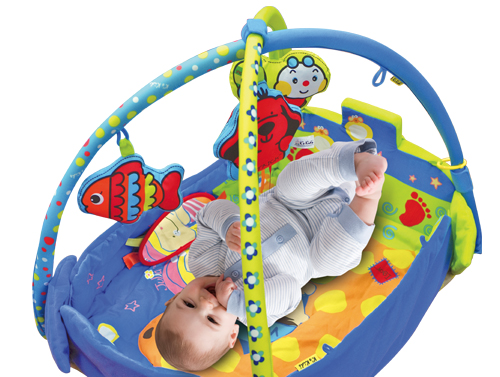
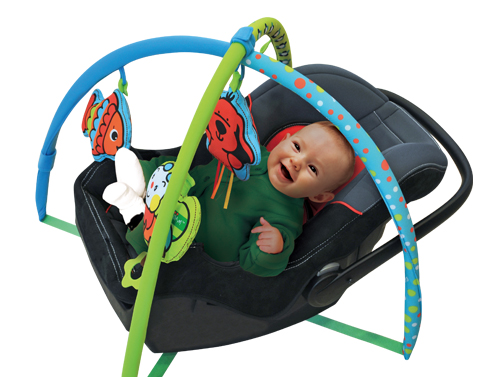
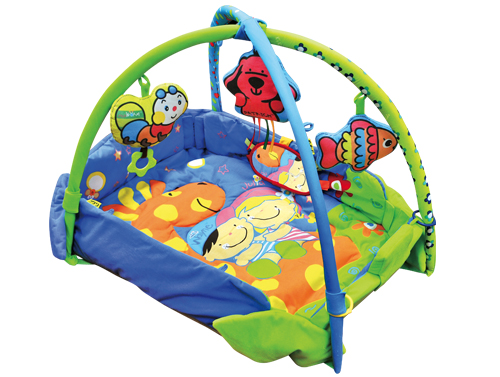
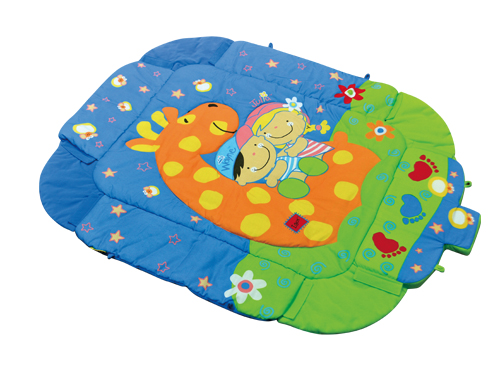
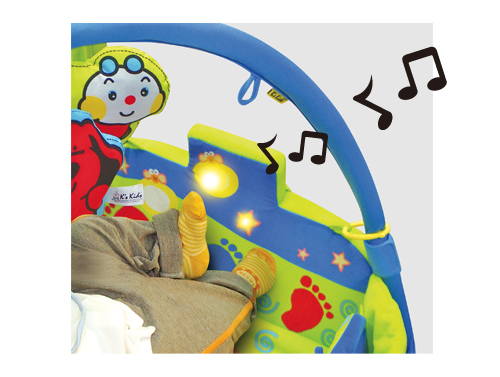


A multi-function, electronic mat to give baby the sense of security. Motion-activated light and music system (detachable for easy cleaning) at the back bumper to stimulate baby's senses, make it more fun and interactive. With adjustable corners, it can be an enclosed crib, a circular mat with fold up corners or a flat mat.
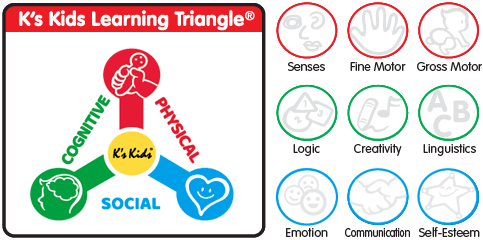







 Senses
The fundamental senses of seeing, tasting, hearing, smelling & feeling encourage a child's curiosity.
 Fine Motor Skills
Fine motor skills are those smaller actions between the thumb and fingers or using the toes to wriggle and feel the objects.
 Gross Motor Skills
Gross motor skills are larger movements involving the arm, leg, or feet muscles or the entire body.
 Logic
Logic
Logical training enables babies to make connections between pieces of information.
 Creativity
Colors, shapes, learning how to draw, getting familiar with music and rhythm, all goes to aid the growth of a child's creativity.
 Linguistics
Linguistic Intelligence is the ability to use sound and language for expression and comprehension of others while a child is developing.
 Emotion
A healthy child should be able to control and express his emotion, and interact effectively with others with mutual trust.
 Communication Skills
Good communication skills lead a child to perform cooperative tasks and become productive team members.
 Self-Esteem
Self-Esteem is an overall sense of achievement a child feels from the important people around him. Task basis activities could help children to build up a stronger self-esteem with a better judgment about their own worth.
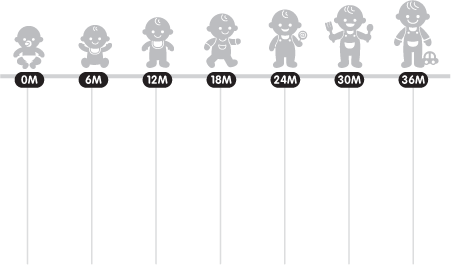
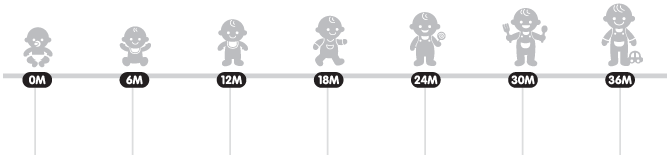
*These are recommendations made under normal circumstances. Parents can determine which activities are most suitable depending on the progress of individual children.
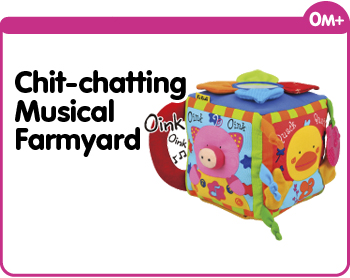
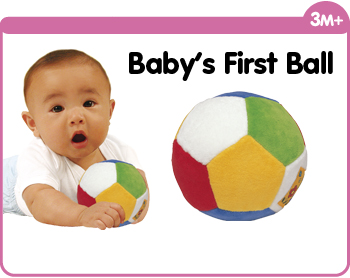
Other Recommended Toys











Objective: Multi uses of the playmat
Method: The playmat has adjustable, velcro corners. It can be used as a flat playmat, a circular mat with folded-up corners, or an enclosed crib.
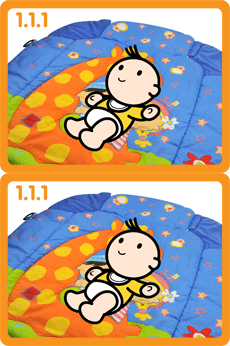



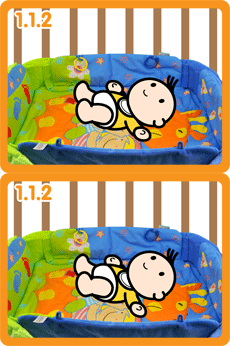


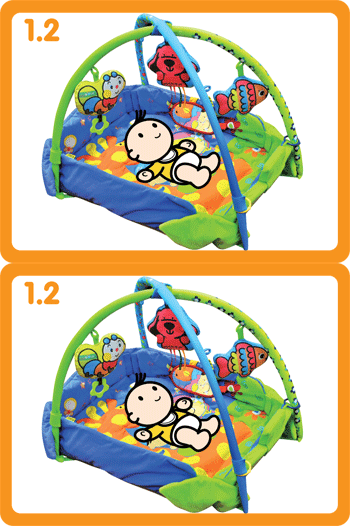
Objective: Observing while lying down
Method: Set up the Flexi-Arch. Lie your baby down, face up, on the playmat to observe the hanging mobiles and her surroundings.


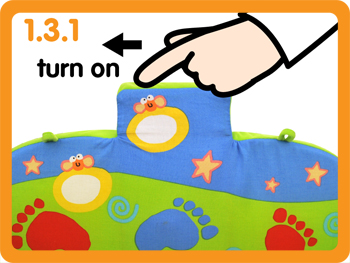
Objective: Listening to music
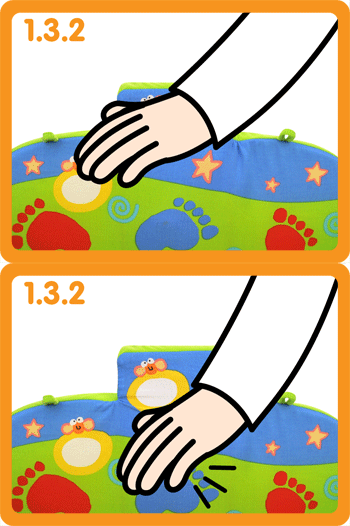
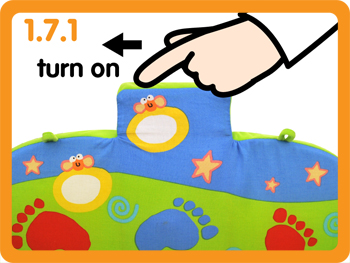
Method: Pat the footprints to activate the music for your baby. Music trains children’s listening skills and sense of rhythm. It also cultivates positive emotions.


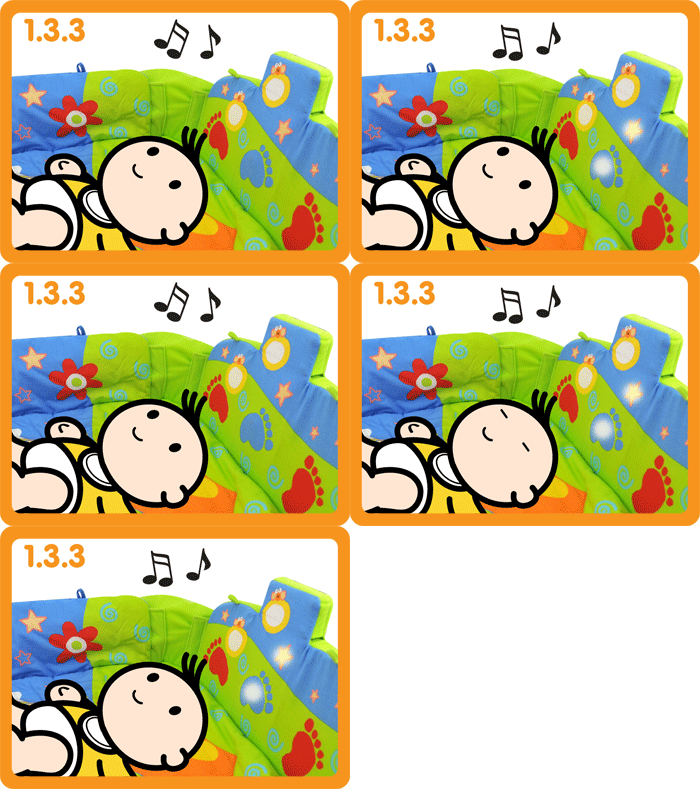

Objective: Listening training
Method: Shake the doll rattles to the right and left side of your child's head. Then observe if your child moves her head or gaze to follow the sounds. This trains her listening skills and attention.
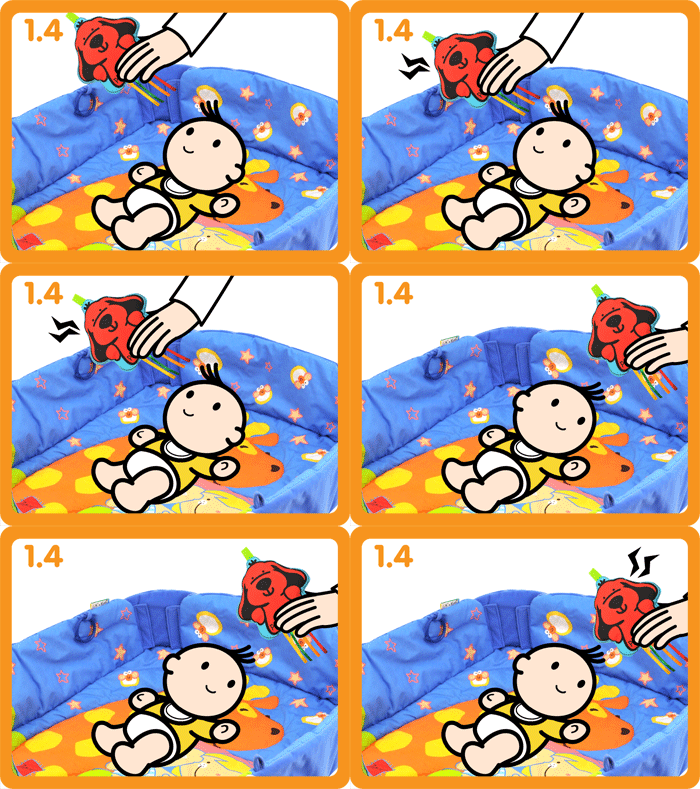


Objective: Developing self awareness
Method: The mirror can be attached with velcro to the four corners of the playmat. Encourage your child to observe and recognize her own image in the mirror. This builds up her self image.
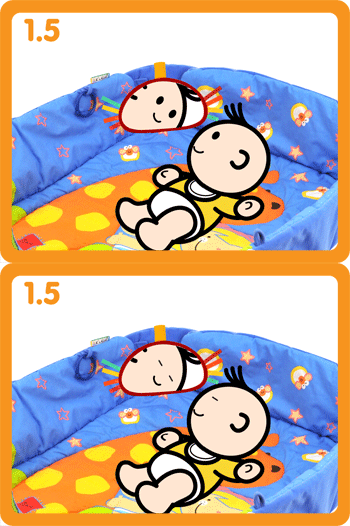


Objective: Grabbing gross motor skills training
Method: Shake the character dolls to make sounds. This will attract your child to reach for the hanging dolls. This trains her upper body muscles.
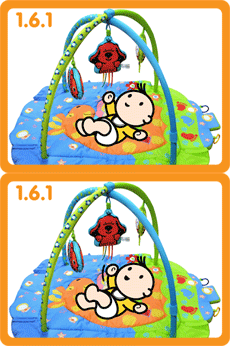


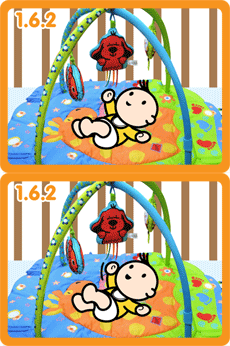
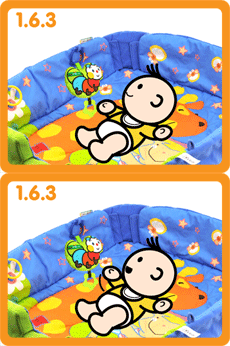

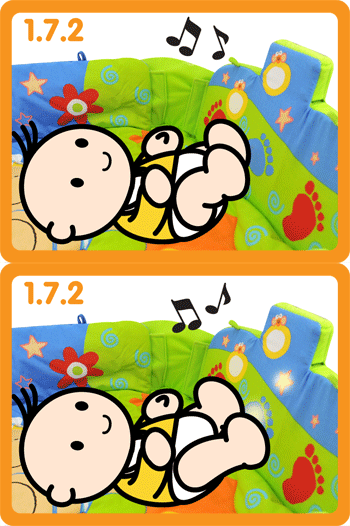
Objective: Kicking and listening to music
Method: When children kick the sensors at the end of the playmat, music plays. This trains the gross motor skills in their legs and the music trains their sense of rhythm.



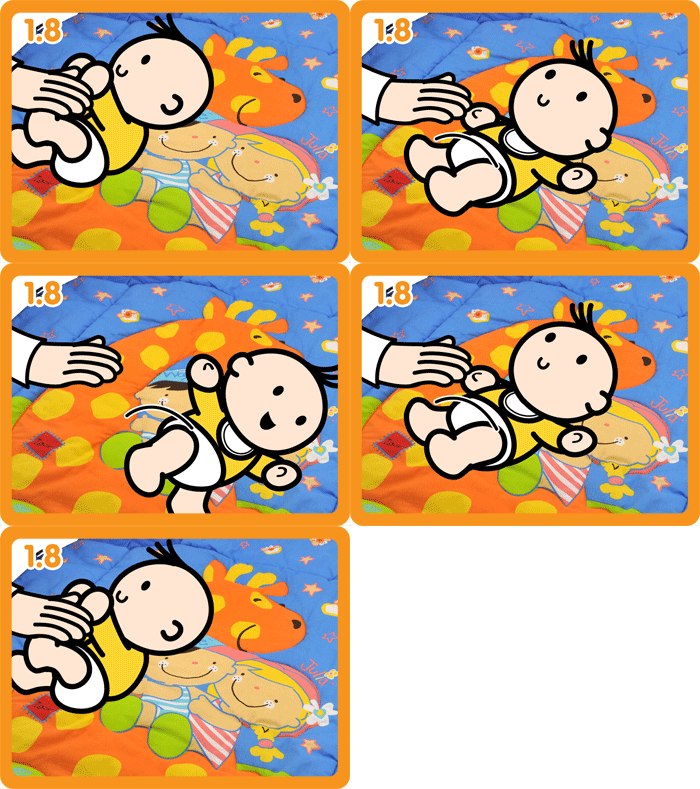
Objective: Rolling over
Method: Encourage your child to practice rolling over on the mat.


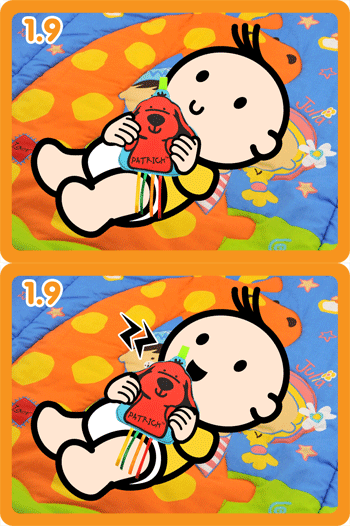
Objective: Grasping fine motor skills training
Method: Parents can encourage children to grasp the character dolls and to squeeze them to make sounds. This trains their fine motor skills.


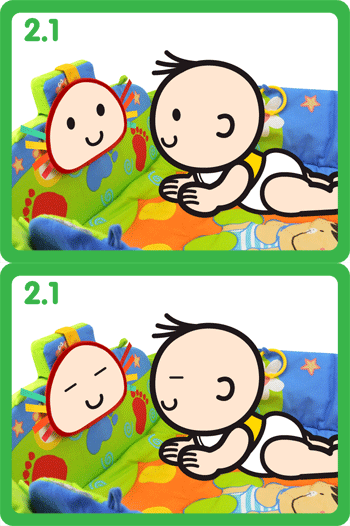
Objective: Tummy time
Method: Put your child, tummy down, on the playmat, with the mirror in front of her. This trains her upper body muscles, to prepare her for crawling and rolling over.
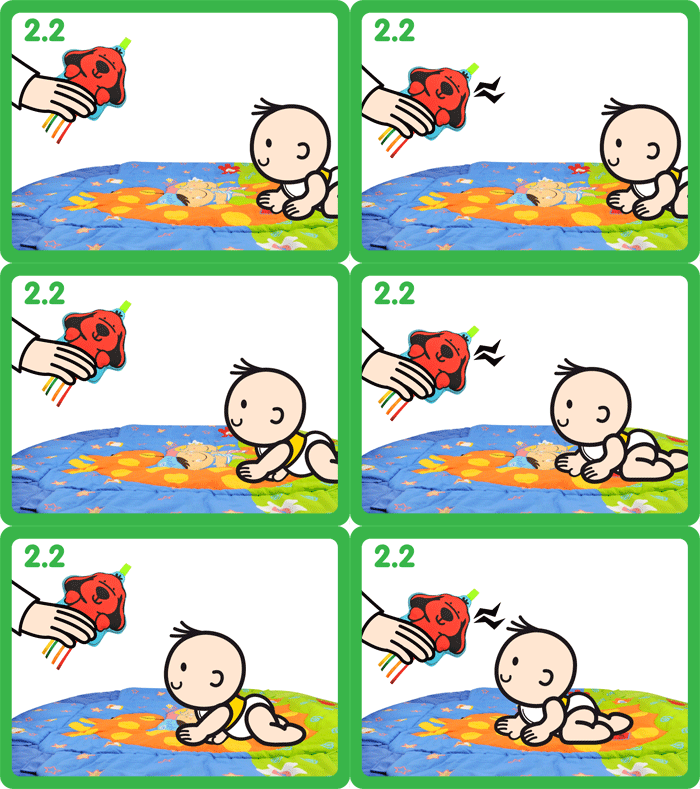
Objective: Crawling and gross motor skills
Method: Stand a few feet away from your child, shake one of the character dolls to attract her attention, and then encourage her to keep crawling towards you.
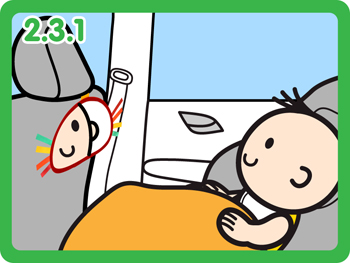
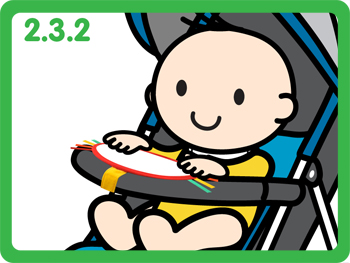
Objective: Mirror
Method: The mirror can be used separately. It can be hung on strollers and taken along on trips.
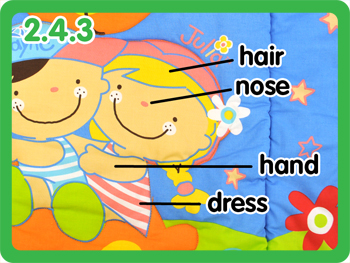
Objective: Recognizing body parts and facial features
Method: Use the Wayne and Julia graphics to teach children to recognize body parts and facial features.

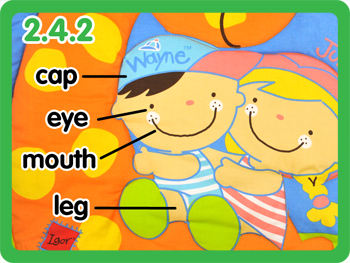
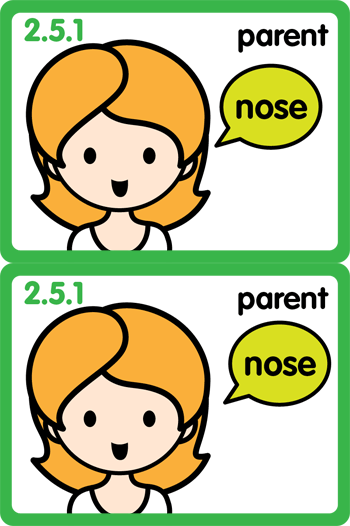
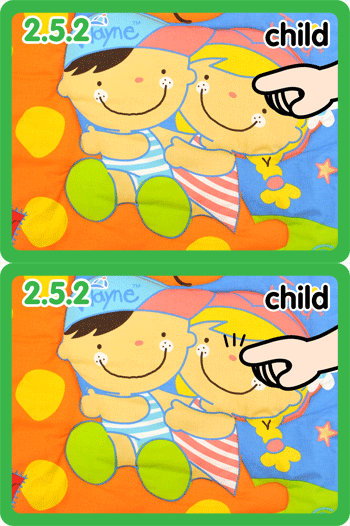
Objective: Pointing out body parts and facial features
Method: Say a body part or facial feature and encourage your child to point to it on Wayne or Julia.
Objective: Learning colors
Method: Use the different colors of the playmat to teach children to recognize colors.
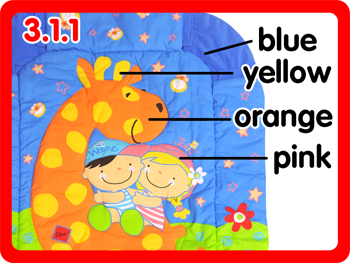
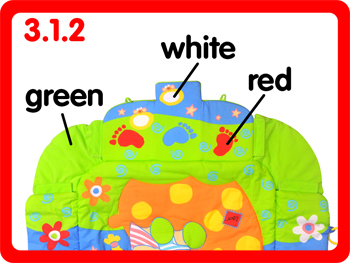
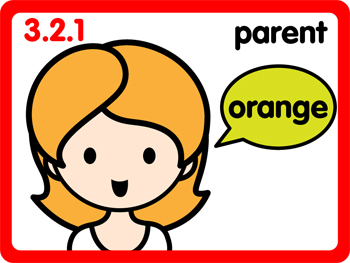
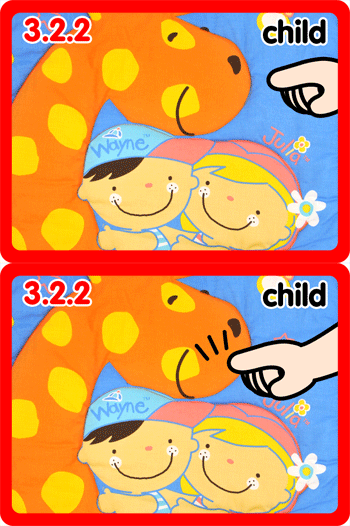
Objective: Pointing out colors
Method: Say a color and encourage your child to point to it on the playmat.
Objective: Learning about length
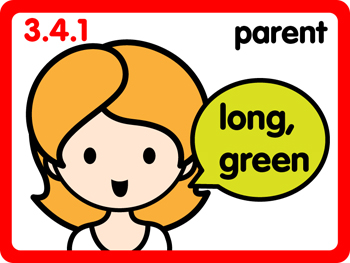
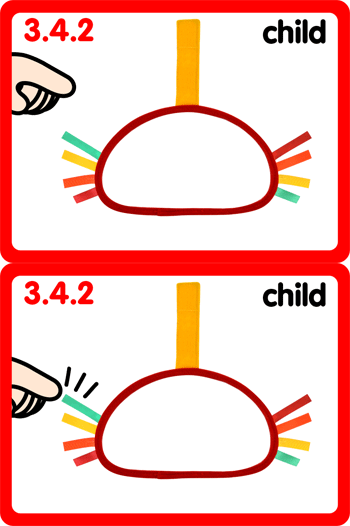
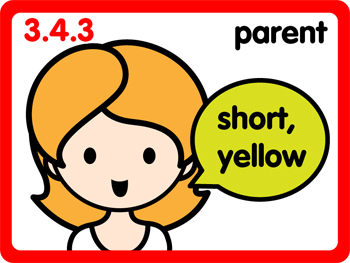
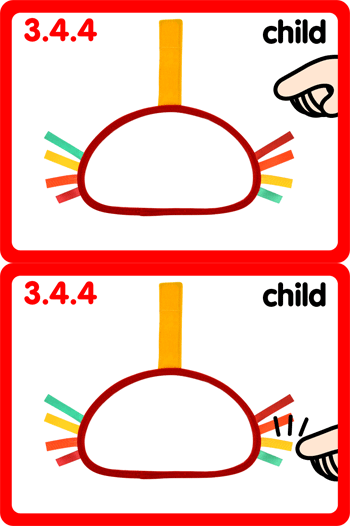
Method: Use the ribbons on both sides of the mirror to teach children the concepts of long and short.
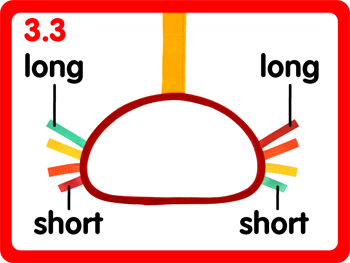
Objective: Pointing to different lengths and colors
Method: Say a length and color of ribbon and encourage your child to point to it. For example, you may say, “Point to the long, green ribbon.”
Sharing
We sincerely hope that the guidelines provided by our K's Kids Parents' Support Center will help you make the most of your K's Kids product. We hope that every child with a K's Kids product will benefit from playing and learning from it.
We also believe that every child is unique and full of creativity.
Apart from the learning methods provided here, have you or your child discovered fun and creative ways to play with your K's Kids toys? A different combination of Chain-an-inchworm? An interesting, new way to teach language using Learn to Talk™ ? Or do you simply want to share your feelings and opinions?
To share your views, please use the form below. Attach a photo or video and provide us with a short note. Whatever it is, we earnestly hope that you will share your views with us. Your views may in turn be shared with countless other parents, so that more kids can have fun with their K's Kids toys.
Please do not close this window.